
Introduction to Style Positioning in Marcasite Jewelry
Choosing between vintage and modern styles is a key decision in the wholesale marcasite jewelry business. Both styles have strong demand, but they appeal to different customer segments and require different product strategies.
Marcasite jewelry is traditionally associated with vintage aesthetics, but modern interpretations are becoming increasingly popular. Understanding the differences helps you build a balanced and profitable collection.
What Defines Vintage Marcasite Jewelry
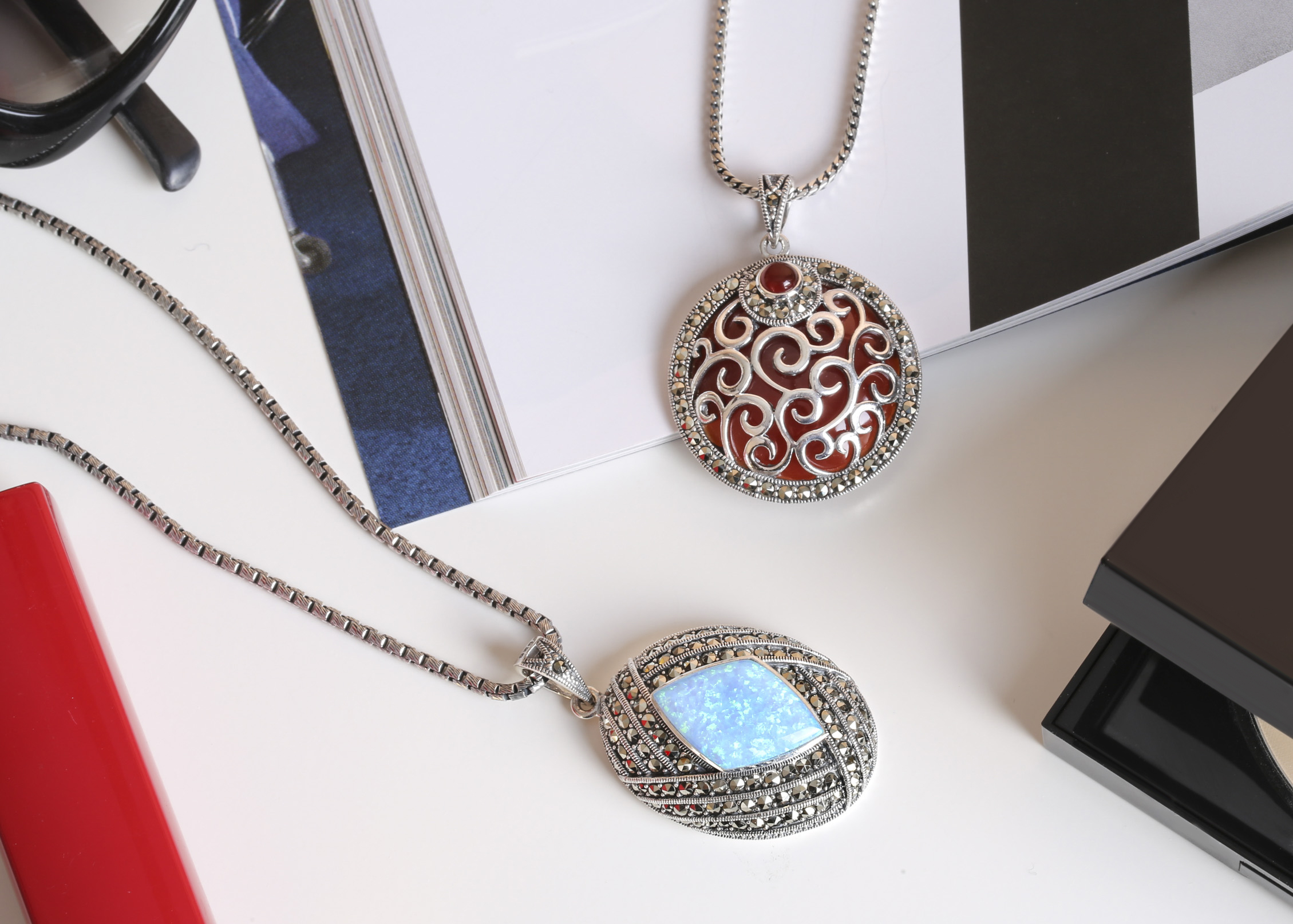
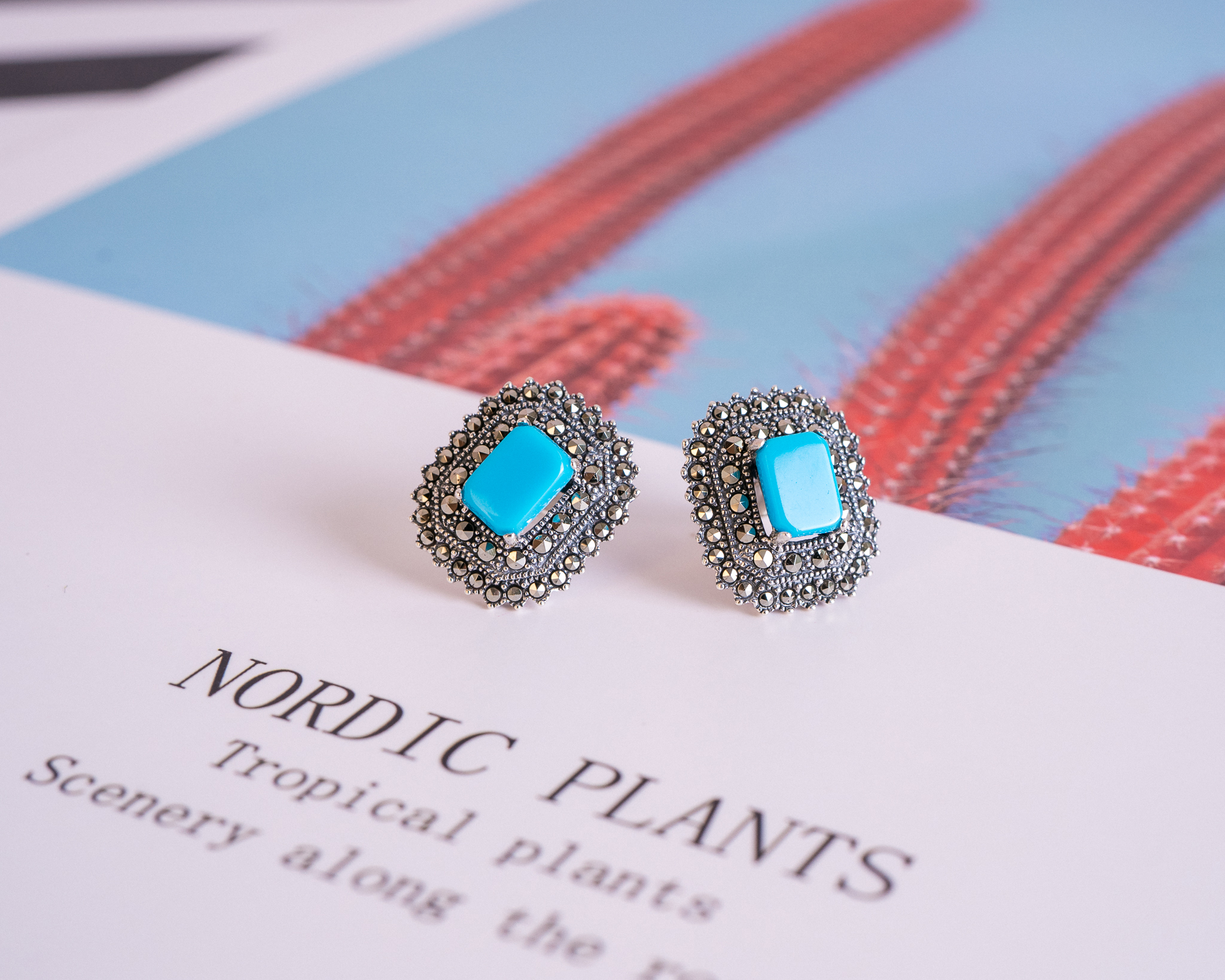
Vintage marcasite jewelry focuses on classic, antique-inspired design elements.
Key characteristics:
- Intricate detailing and craftsmanship
- Floral and nature-inspired motifs
- Oxidized silver finishes
- Symmetrical and Art Deco patterns
Why it sells:
- Timeless appeal
- Strong emotional and nostalgic value
- High perceived craftsmanship
Vintage styles are ideal for customers who appreciate tradition and elegance.
What Defines Modern Marcasite Jewelry
Modern styles simplify traditional elements and adapt them for contemporary fashion.
Key characteristics:
- Clean and minimal designs
- Lighter and more wearable pieces
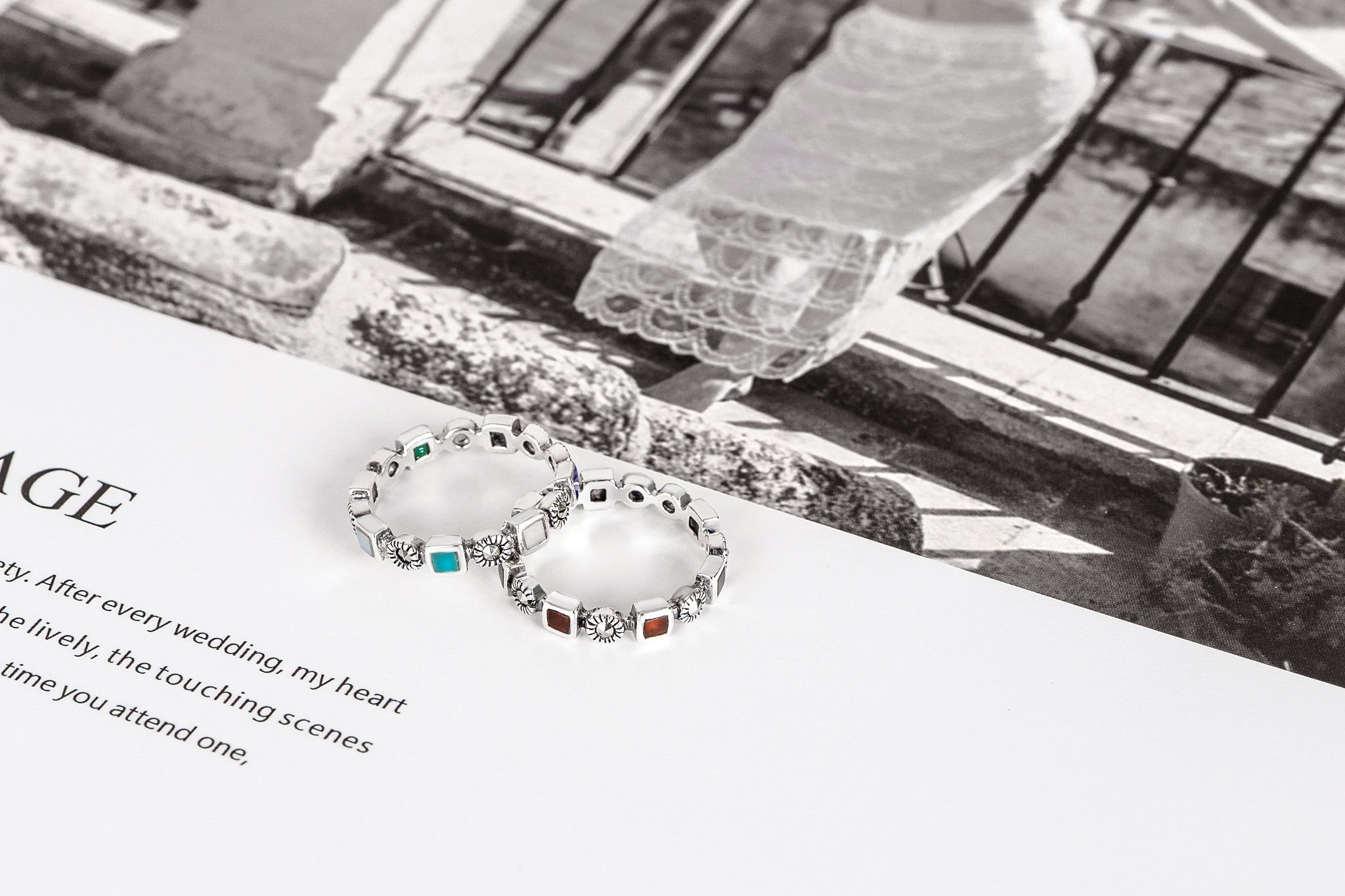
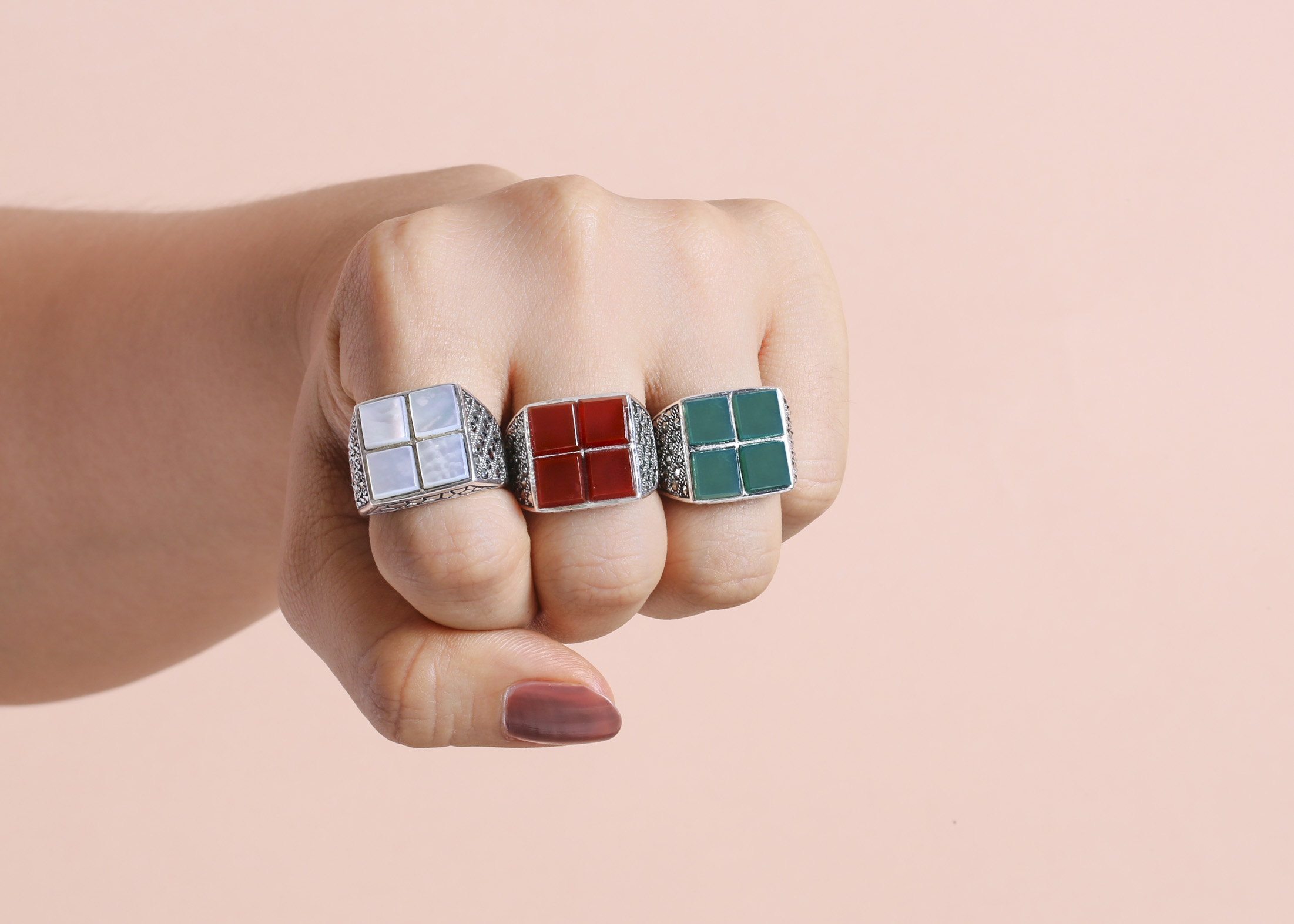
- Geometric shapes
- Polished or matte finishes
Why it sells:
- Easy to style for daily wear
- Appeals to younger audiences
- Trend-driven demand
Modern marcasite jewelry expands the market beyond traditional buyers.
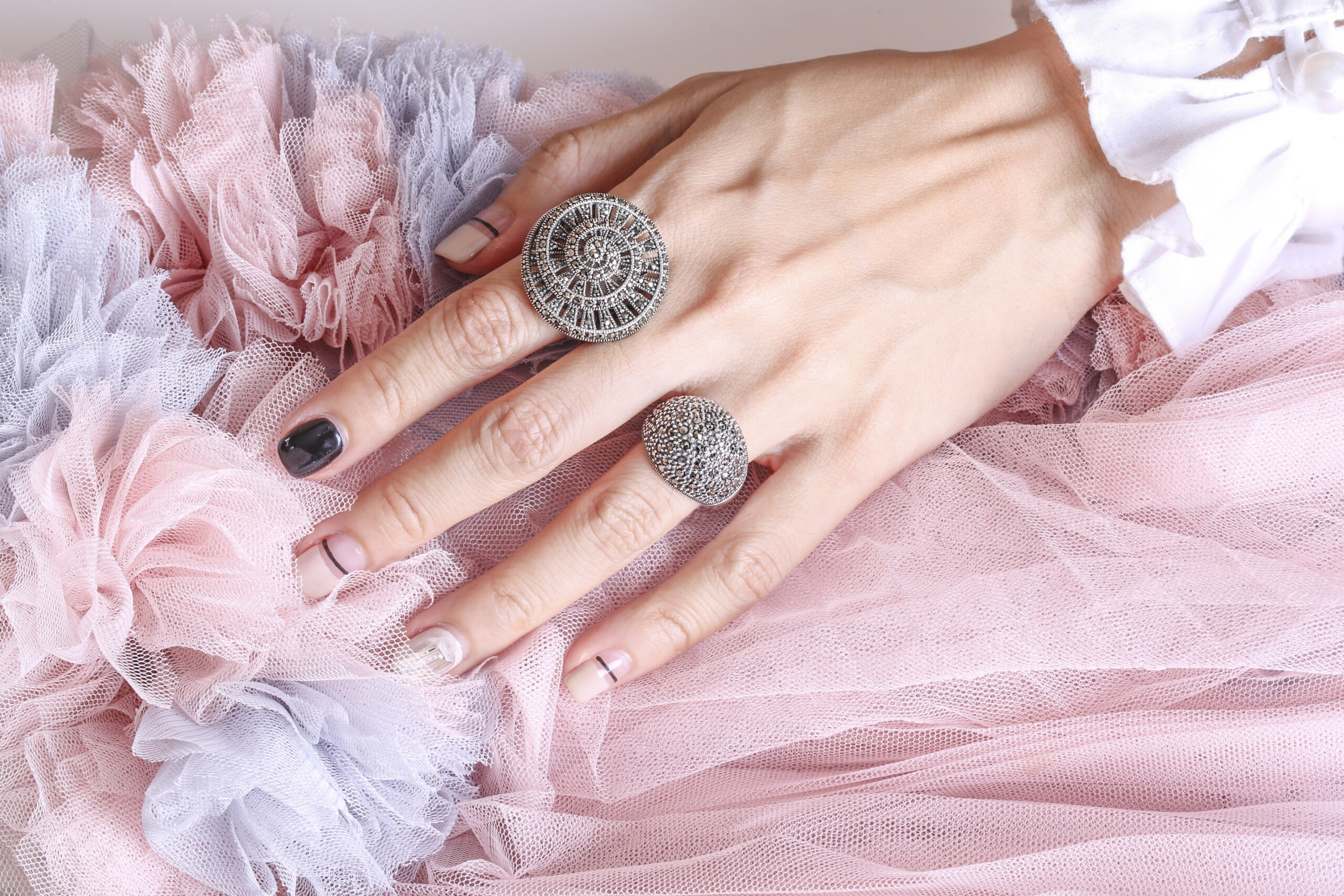
Key Differences Between Vintage and Modern Styles
Design Complexity
- Vintage: Highly detailed and intricate
- Modern: Simple and clean
Target Audience
- Vintage: Mature and classic-focused customers
- Modern: Younger and trend-focused buyers
Usage
- Vintage: Special occasions and statement pieces
- Modern: Everyday wear
Pricing
- Vintage: Often higher due to craftsmanship
- Modern: More flexible pricing
Understanding these differences helps you position your products effectively.
Which Style Should You Choose?
The answer depends on your business model and target market.
Choose vintage if:
- Your brand focuses on elegance and heritage
- You target boutique or premium customers
Choose modern if:
- You sell online or to younger audiences
- You want faster inventory turnover
Many successful businesses combine both styles.
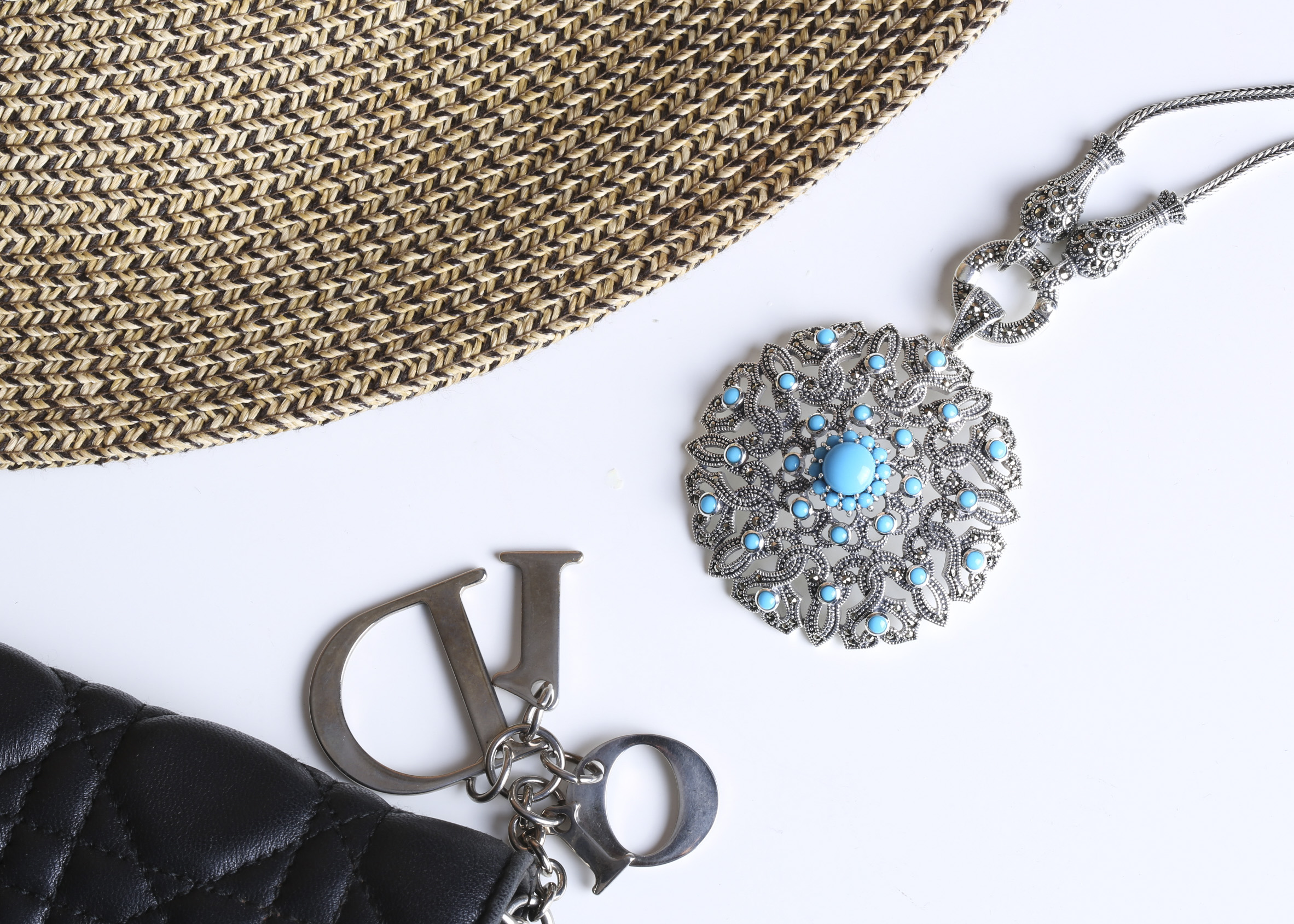
Creating a Balanced Product Collection
A mixed strategy is often the most effective:
- 60% vintage styles for stability
- 40% modern styles for growth
This approach allows you to serve multiple customer segments and reduce risk.
Quality Considerations for Both Styles
Regardless of style, quality remains essential.
Check:
- Secure stone settings
- Smooth silver finishing
- Durable construction
Both vintage and modern designs must meet high standards.
Pricing Strategy for Different Styles
Adjust pricing based on style and complexity:
- Vintage: Premium pricing for detailed designs
- Modern: Competitive pricing for volume sales
This helps maximize revenue across different product categories.
Marketing Vintage vs Modern Jewelry
Tailor your marketing approach:
Vintage:
- Focus on storytelling and craftsmanship
- Use classic and elegant visuals
Modern:
- Highlight simplicity and versatility
- Use clean and trendy visuals
Matching your marketing to the style improves effectiveness.
Inventory Planning for Style Mix
Manage inventory based on performance:
- Track which styles sell faster
- Reorder best sellers
- Adjust product mix over time
Data-driven decisions improve profitability.
Common Mistakes to Avoid
- Focusing only on one style
- Ignoring target audience preferences
- Overstocking slow-moving designs
- Poor product positioning
Avoiding these mistakes helps maintain balance and growth.
Best Strategy for PBN and SEO Use
Style comparison topics are excellent for SEO. Target keywords like “vintage vs modern jewelry,” “marcasite jewelry styles,” and “wholesale jewelry trends comparison.”
Optimization tips:
- Use clear H1 and H2 headings
- Compare styles in a simple format
- Include long-tail keywords
- Link related articles
This builds authority and improves rankings.
Conclusion
Wholesale marcasite jewelry offers opportunities in both vintage and modern styles. By understanding their differences and combining them strategically, you can create a balanced and profitable product line.
With the right mix of design, pricing, and marketing, your business can appeal to a wider audience and achieve long-term success.