
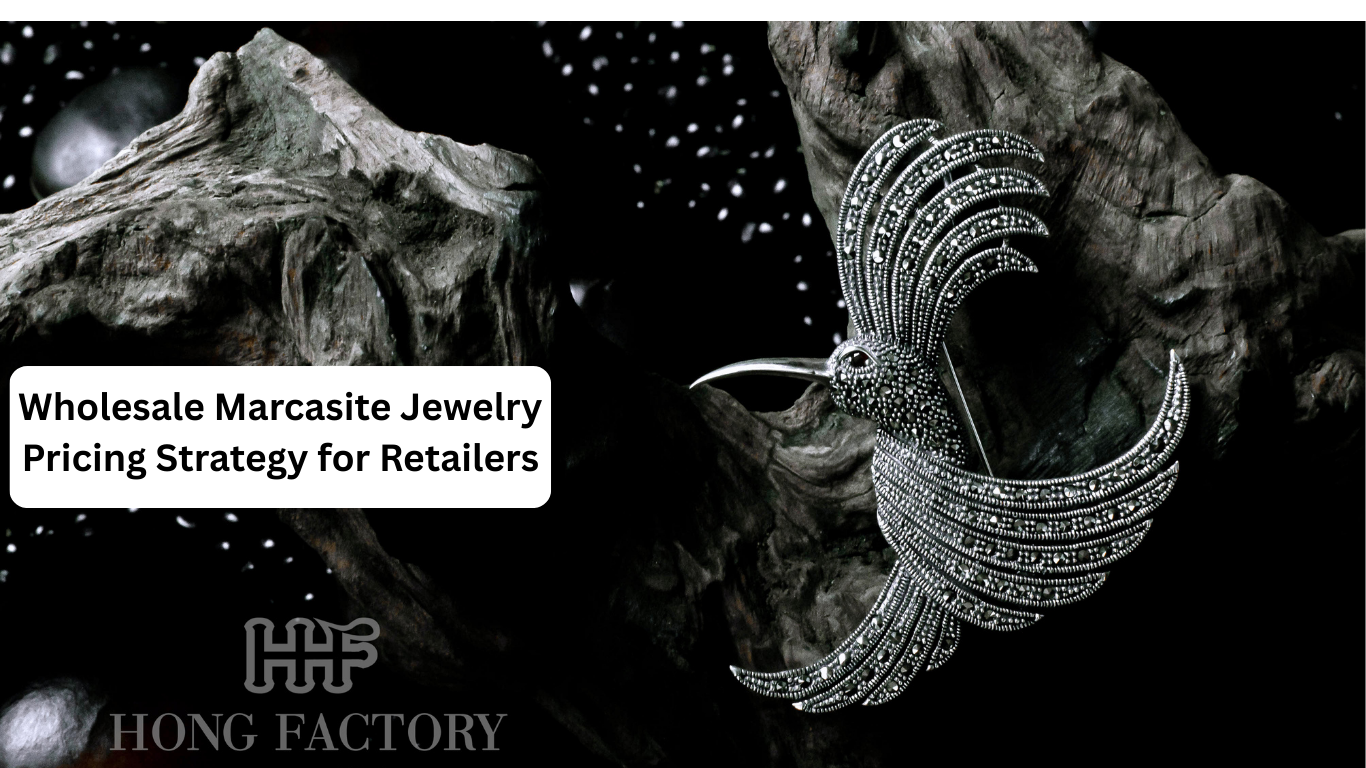
Pricing strategy plays a crucial role in the success of any jewelry retail business. Retailers who understand how to price their products correctly can increase profitability while still attracting customers. When working with wholesale marcasite jewelry, an effective pricing strategy becomes even more important because these products offer strong potential for healthy profit margins.
Wholesale marcasite jewelry combines elegant design with relatively affordable production costs. This allows retailers to offer attractive jewelry pieces to customers while still maintaining strong margins. However, successful pricing requires more than simply marking up the wholesale cost. Retailers must consider market demand, perceived value, competitor pricing, and overall brand positioning.
By developing a clear pricing strategy, jewelry retailers can maximize revenue and create a sustainable business model built around wholesale marcasite jewelry.
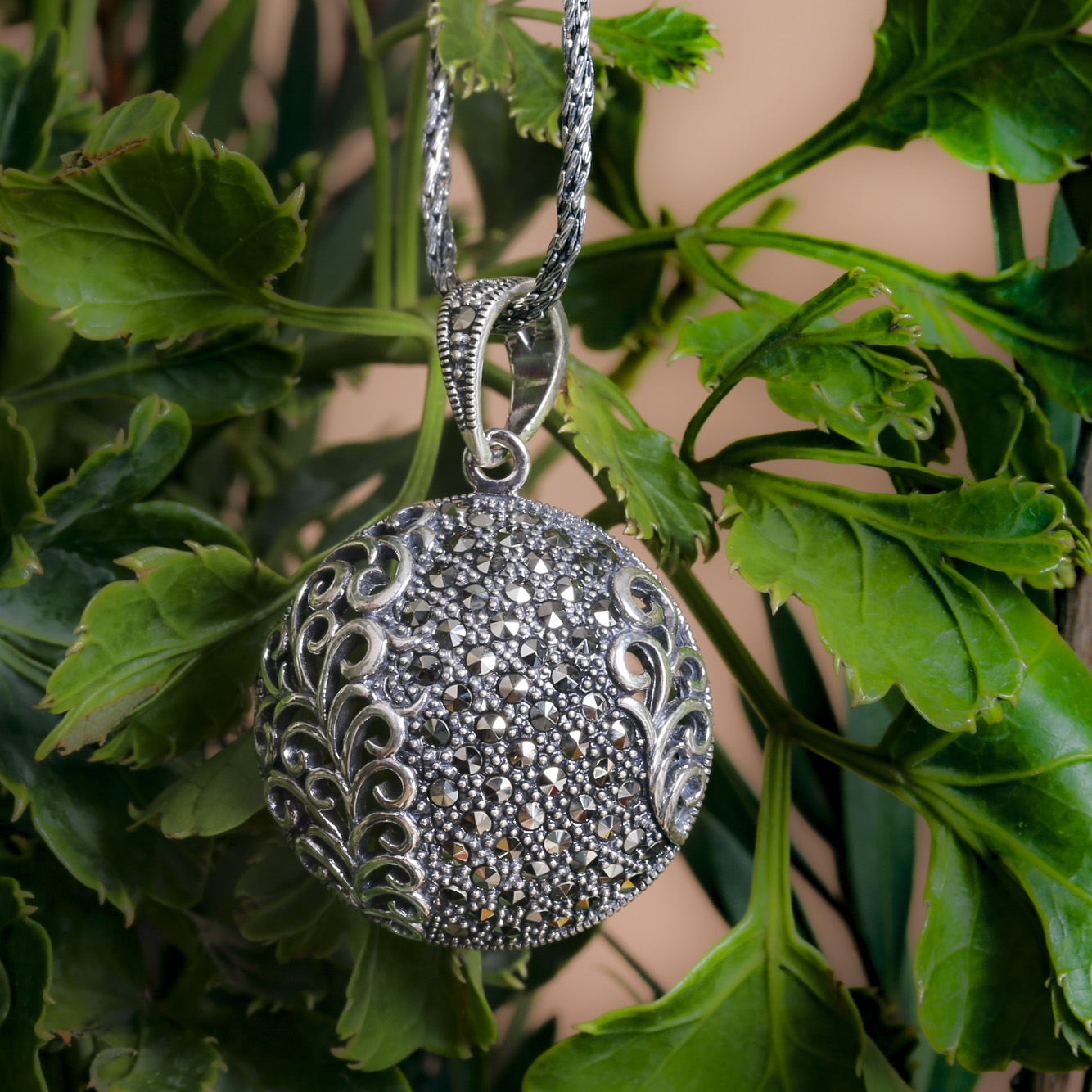
Understanding Wholesale Cost and Retail Markup
The foundation of jewelry pricing begins with the wholesale cost. This is the price retailers pay when purchasing jewelry from manufacturers or wholesale suppliers. Retailers must then determine how much markup to apply when setting the retail price.
In many jewelry businesses, retailers apply a markup between two and three times the wholesale price. This markup helps cover operational expenses such as store rent, staff salaries, marketing costs, and packaging materials.
For example, if a wholesale marcasite ring costs a retailer a certain amount at wholesale, the final retail price is typically set higher in order to generate profit while remaining competitive in the market.
The exact markup may vary depending on the store’s brand identity and target customers. Boutique stores that emphasize craftsmanship and exclusivity may apply higher markups than large retail chains.
Factors That Influence Jewelry Pricing
Several factors influence how wholesale marcasite jewelry should be priced in a retail environment. Understanding these factors helps retailers set prices that reflect both value and market demand.
Design Complexity
Jewelry pieces that feature intricate silver craftsmanship or detailed stone arrangements often justify higher prices. Designs that require more time and skill during manufacturing may carry higher wholesale costs, which can influence the final retail price.
Statement pieces or elaborate vintage designs often fall into this category.
Material Quality
Most wholesale marcasite jewelry is produced using 925 sterling silver. Sterling silver provides durability and a polished appearance that customers associate with quality jewelry.
Retailers should highlight the use of sterling silver when presenting their jewelry because customers often perceive this material as more valuable than standard fashion metals.
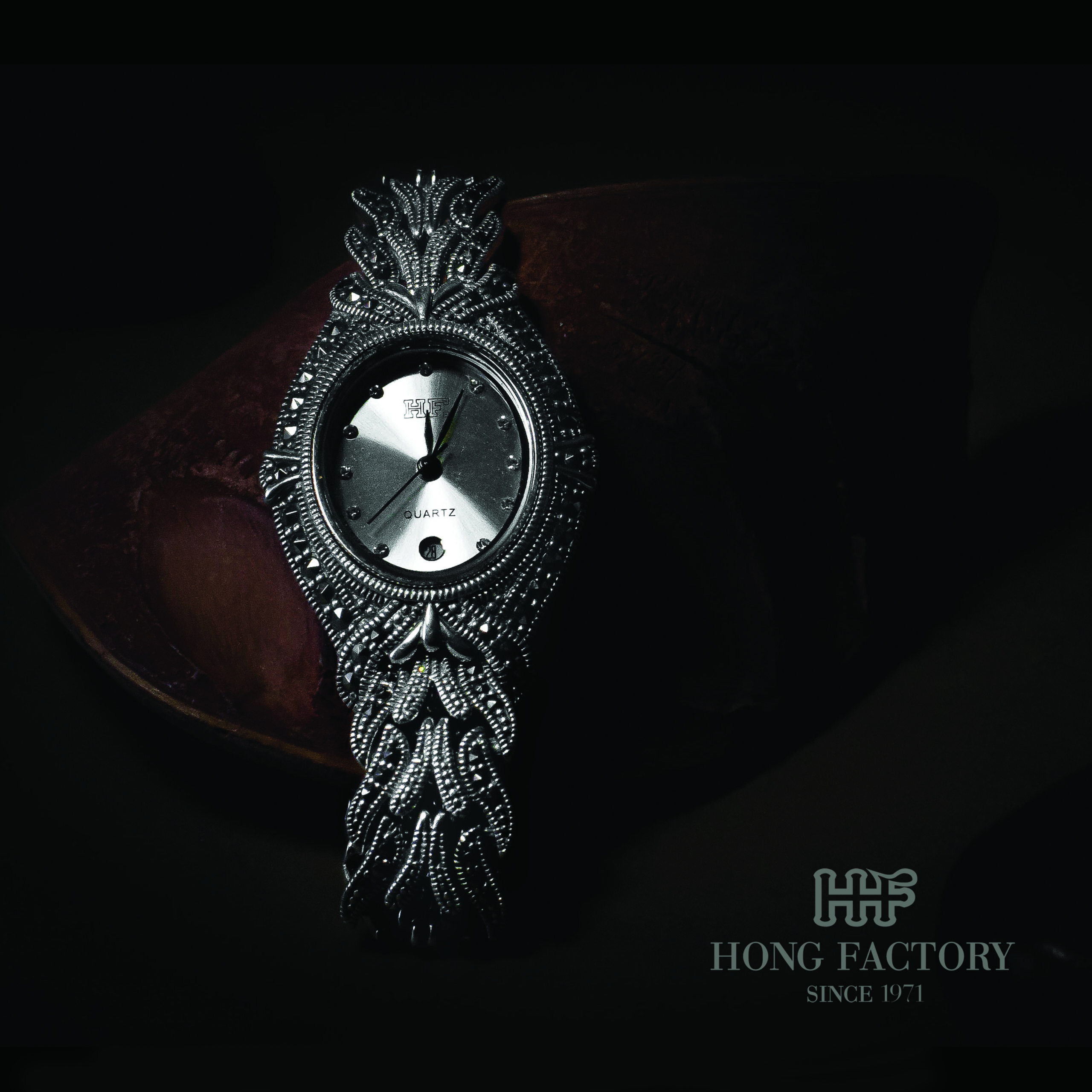
Brand Positioning
A retailer’s brand identity strongly influences pricing decisions. Luxury jewelry boutiques may position their collections as premium products and price them accordingly.
Other retailers may focus on affordability and accessibility, offering competitive prices that attract larger numbers of customers.
Understanding the target audience helps determine the most effective pricing strategy.
Customer Perception
Customer perception plays an important role in jewelry pricing. Jewelry is often purchased not only for its material value but also for its emotional and aesthetic appeal.
Elegant displays, attractive packaging, and professional marketing can increase the perceived value of jewelry. When customers perceive a product as high quality, they are often willing to pay a higher price.
Competitive Pricing in the Jewelry Market
Retailers should also consider the pricing strategies used by competitors. Researching similar jewelry stores or online retailers can help determine typical price ranges for wholesale marcasite jewelry.
Pricing significantly higher than competitors may discourage potential buyers, while pricing too low may reduce profit margins or create the impression of lower quality.
Successful retailers often position their pricing within the market range while emphasizing unique qualities such as craftsmanship, design style, or brand identity.
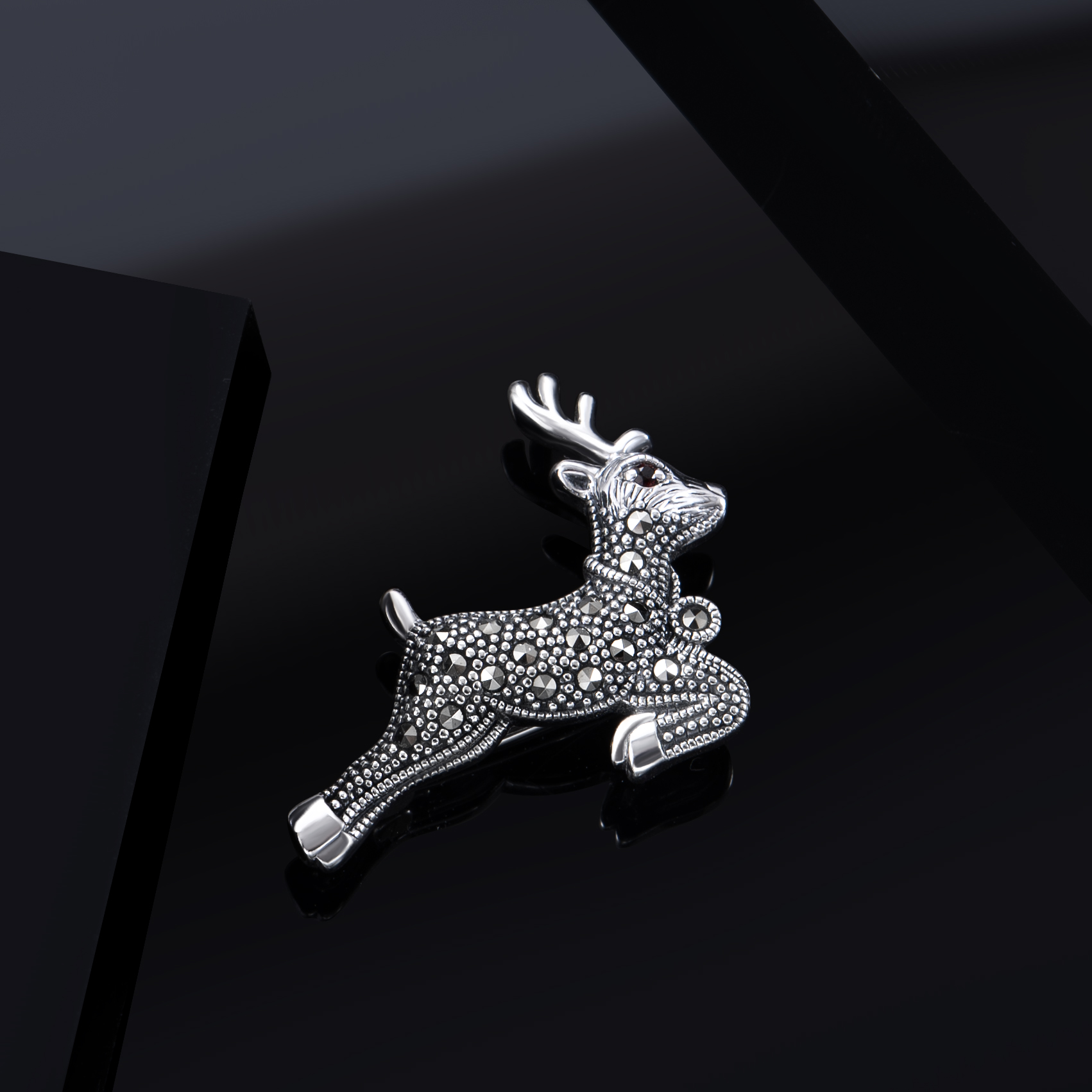
Creating Value Through Presentation
The presentation of jewelry plays a major role in pricing success. Wholesale marcasite jewelry can appear more valuable when it is displayed and packaged professionally.
Retailers often use velvet display trays, elegant lighting, and well-organized showcases to highlight the sparkle of the stones and the shine of sterling silver.
Packaging also contributes to perceived value. Jewelry boxes, branded packaging, and gift wrapping can make purchases feel more luxurious, especially when customers are buying gifts.
These presentation elements allow retailers to maintain higher price points while providing customers with a premium shopping experience.
Pricing for Online Jewelry Stores
Online jewelry retailers face slightly different pricing challenges compared to physical stores. Ecommerce platforms allow customers to easily compare prices across multiple websites.
Because of this transparency, online retailers often need to maintain competitive pricing while still emphasizing product quality.
Clear product descriptions, professional photography, and customer reviews can help justify pricing by building trust with potential buyers.
Online retailers may also offer promotions, seasonal discounts, or bundle deals to encourage purchases without permanently lowering prices.
Using Jewelry Sets to Increase Sales
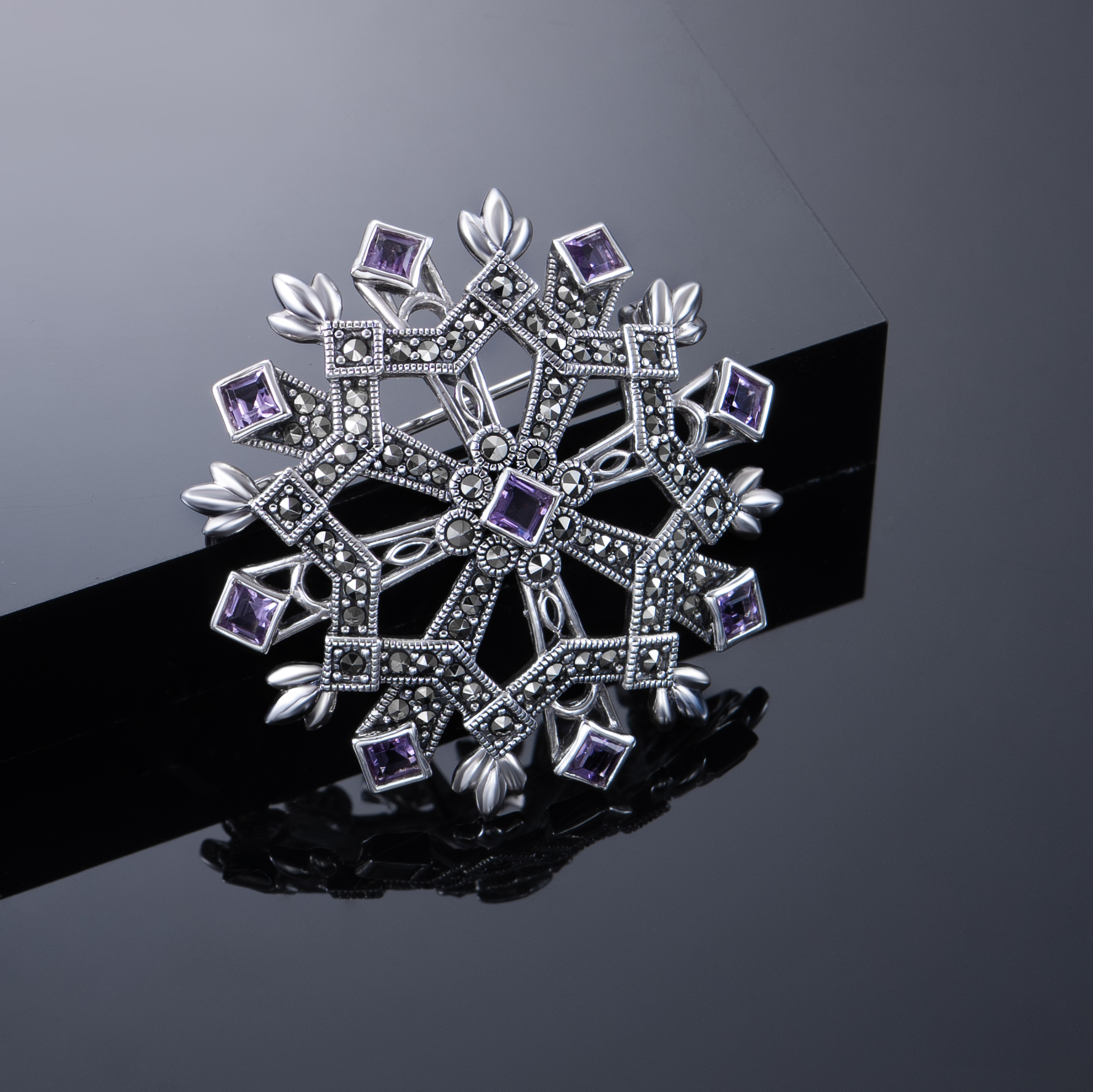
Selling coordinated jewelry sets can be an effective pricing strategy. Customers who purchase one item may also be interested in matching pieces such as earrings, necklaces, or bracelets.
For example, a retailer may display a matching marcasite ring and pendant together as a set. Customers often appreciate the convenience of purchasing coordinated jewelry.
These bundle purchases increase the overall transaction value and improve sales performance.
Seasonal Promotions and Pricing Adjustments
Retailers may adjust pricing strategies throughout the year to respond to seasonal demand. Holiday seasons such as Christmas or Valentine’s Day often increase jewelry sales significantly.
Special promotions or limited-time discounts during these periods can attract customers and increase store traffic.
Seasonal collections can also justify new pricing structures if the designs feature unique styles or limited availability.
Long-Term Pricing Strategy for Jewelry Retailers
Developing a long-term pricing strategy helps retailers maintain stable profitability. Consistent pricing builds customer trust and prevents confusion about product value.
Retailers should regularly evaluate their pricing strategies by analyzing sales performance, customer feedback, and competitor activity.
Working closely with reliable wholesale suppliers can also help maintain competitive pricing while ensuring consistent product quality.
Over time, retailers who understand their customers and adjust pricing strategically can build strong jewelry brands and sustainable businesses.
Conclusion
A well-planned pricing strategy is essential for retailers who sell wholesale marcasite jewelry. By understanding wholesale costs, customer perception, market competition, and brand positioning, retailers can set prices that maximize profitability while still appealing to customers.
When combined with effective displays, strong marketing, and reliable supplier partnerships, wholesale marcasite jewelry can become a highly profitable product category.
Retailers who approach pricing strategically will be better positioned to grow their businesses and attract loyal customers who appreciate elegant and affordable jewelry.