

Quality control is one of the most critical factors that separates authentic, high‑value marcasite jewelry from low‑grade imitations. Because marcasite jewelry relies heavily on hand‑setting, fine silver work, and meticulous detail, even small mistakes can affect durability, appearance, and long‑term value. Effective quality control ensures that every piece meets both aesthetic and structural standards before reaching the market.
This article explains quality control in marcasite jewelry production, covering inspection stages, common defects, and why strict standards are essential for brands, wholesalers, and buyers. Marcasite stone
Why Quality Control Matters in Marcasite Jewelry
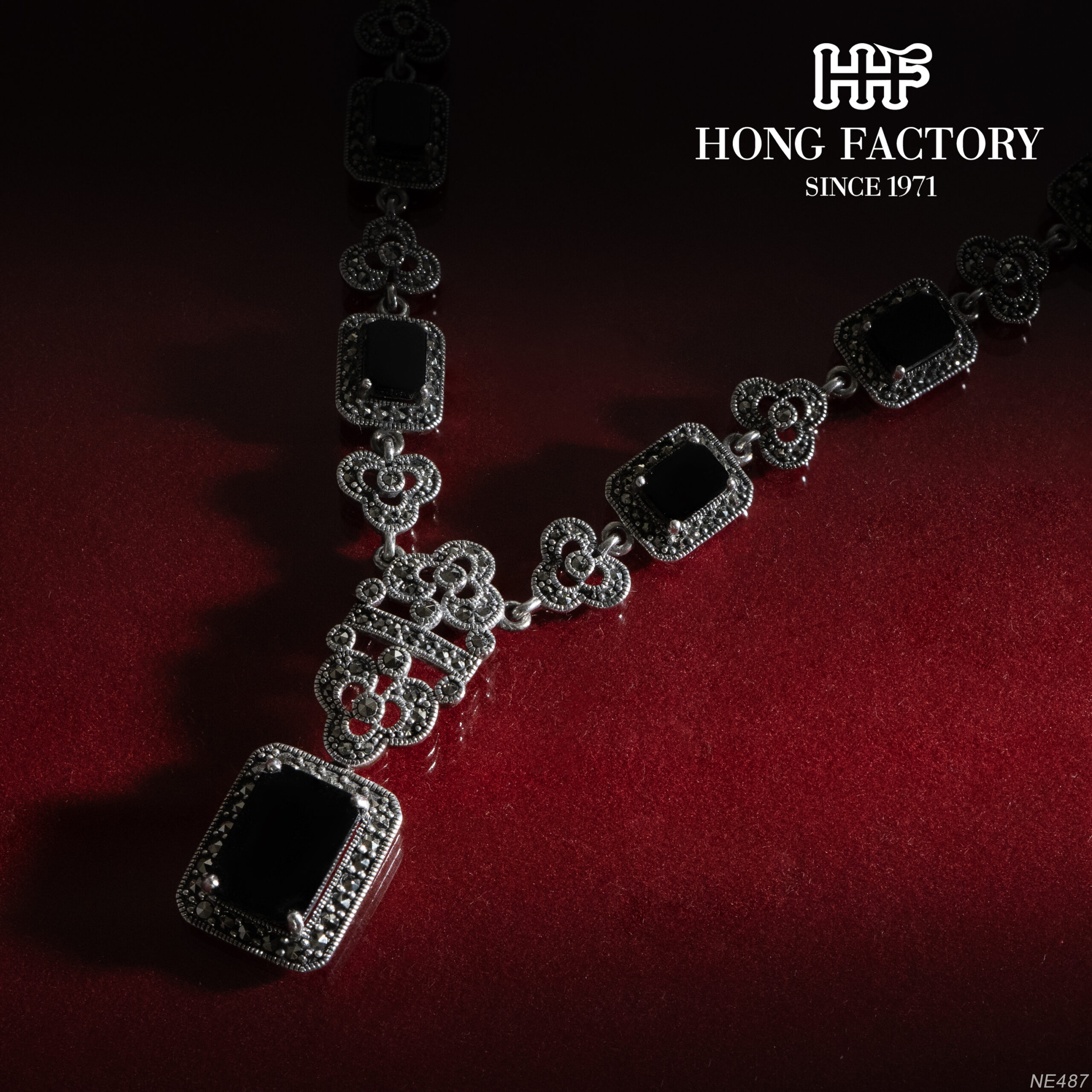
Marcasite jewelry is labor‑intensive.
Craftsmanship Requires Precision
A single piece may contain dozens or hundreds of stones. Without proper inspection at each stage, issues such as loose stones, uneven alignment, or metal weakness can go unnoticed.
Quality control protects:
- Craftsmanship integrity
- Brand reputation
- Customer trust
- Long‑term wearability
Quality Control Begins at Material Selection
Inspection starts before production.
Silver Quality Verification
Manufacturers must confirm that sterling silver meets the 925 standard. Silver that is too soft or improperly alloyed can bend, crack, or fail to hold stones securely.
Stone Selection Standards
Marcasite (pyrite) stones must be:
- Uniform in size
- Free from cracks or chips
- Properly faceted
Defective stones are rejected before setting begins.
In‑Process Quality Control During Production
Quality checks occur throughout manufacturing.
1. Metal Base Inspection
Before stones are set, the silver base is examined.
What Is Checked
- Structural thickness
- Smoothness of surfaces
- Accuracy of design dimensions
Any imperfections are corrected early to prevent later issues.
2. Stone Seat Accuracy
Each stone seat must be precisely carved.
Inspection Criteria
- Correct depth and diameter
- Clean edges
- Proper alignment with design layout
Poorly cut seats lead to loose or unstable stones.
3. Hand‑Setting Quality Checks
Hand‑setting is the most critical stage.
Setting Inspection Points
- Stones sit flush with the silver
- Beads or prongs are evenly formed
- No visible gaps around stones
- No glue residue present
Artisans often self‑inspect continuously during this step.
Post‑Setting Quality Control
Once stones are set, additional inspections follow.
4. Stone Security Testing
Finished pieces are gently tapped and visually examined.
Signs of Proper Security
- No movement or rattling
- Stones remain aligned
- Beads hold firm without distortion
Loose stones are reset immediately.
5. Alignment and Symmetry Review
Visual balance is essential in marcasite jewelry.
What Inspectors Look For
- Even spacing between stones
- Symmetrical patterns
- Consistent stone orientation
Asymmetry can reduce perceived value.
Surface Finishing Quality Control
Finishing affects both appearance and comfort.
6. Oxidation and Contrast Evaluation
Oxidized finishes must be intentional and controlled.
Quality Indicators
- Even oxidation in recessed areas
- Clean contrast around stones
- No blotchy or uneven darkening
Poor oxidation can obscure detail.
7. Polishing and Edge Inspection
Polishing must enhance without damage.
Final Finish Checks
- No scratches on silver
- Smooth edges and surfaces
- No loosened stones after polishing
Comfort and safety are verified at this stage.
Functional Testing for Wearability
Jewelry must function as intended.
8. Component Testing
Inspectors test:
- Clasps and hinges
- Ring shanks for strength
- Earring posts and backs
Functional failure is unacceptable in quality pieces.
Final Quality Inspection Before Packaging
A final review ensures consistency.
Final Checklist
- Secure stones
- Correct silver markings (925)
- Clean overall appearance
- Accurate weight and balance
Only approved pieces move forward.
Common Defects Identified Through Quality Control
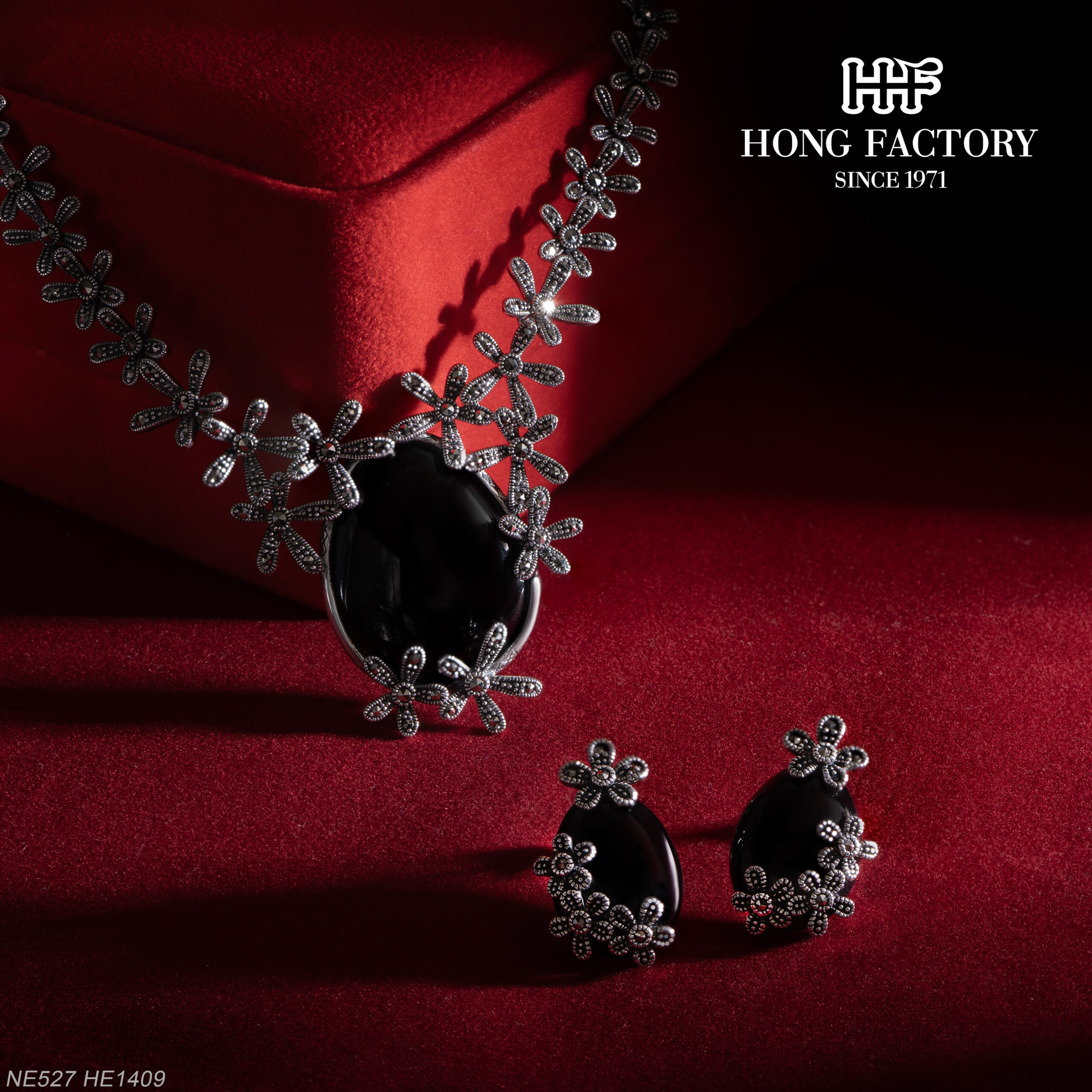
Quality systems help eliminate defects.
Frequent Issues
- Crooked or uneven stones
- Loose settings
- Thin or weak silver structures
- Poor finishing or polishing marks
Early detection reduces waste and returns.
Quality Control for Wholesalers and Brands
Quality standards affect business success.
Why Brands Demand Strict QC
- Reduces customer complaints
- Minimizes returns and repairs
- Strengthens long‑term brand value
Wholesale buyers often require inspection reports or sampling.
Buyer Perspective: Why QC Matters
Quality control protects consumers.
Benefits for Buyers
- Longer‑lasting jewelry
- Better value for money
- Fewer repairs and replacements
Understanding QC helps buyers choose reputable sellers.
Artisanal vs Mass‑Produced Quality Control
Production scale affects inspection.
Key Differences
- Artisan workshops rely on skilled inspection
- Mass production requires standardized QC systems
Both must maintain strict standards to ensure quality.
Continuous Improvement in Quality Control
Leading manufacturers evolve.
Modern Enhancements
- Improved magnification tools
- Better measurement equipment
- Training programs for artisans
Technology supports tradition without replacing craftsmanship.
Quality Control and Long‑Term Value
Well‑controlled production extends lifespan.
Long‑Term Benefits
- Stones remain secure
- Silver structure stays intact
- Jewelry retains aesthetic appeal
Quality control directly impacts heirloom potential.
Conclusion
Quality control in marcasite jewelry production is essential to preserving craftsmanship, durability, and brand credibility. From material selection and hand‑setting inspection to finishing and final approval, each quality check ensures that marcasite jewelry meets the high standards expected of authentic pieces. Strong quality control not only protects manufacturers and buyers—it safeguards the timeless reputation of marcasite jewelry itself.