
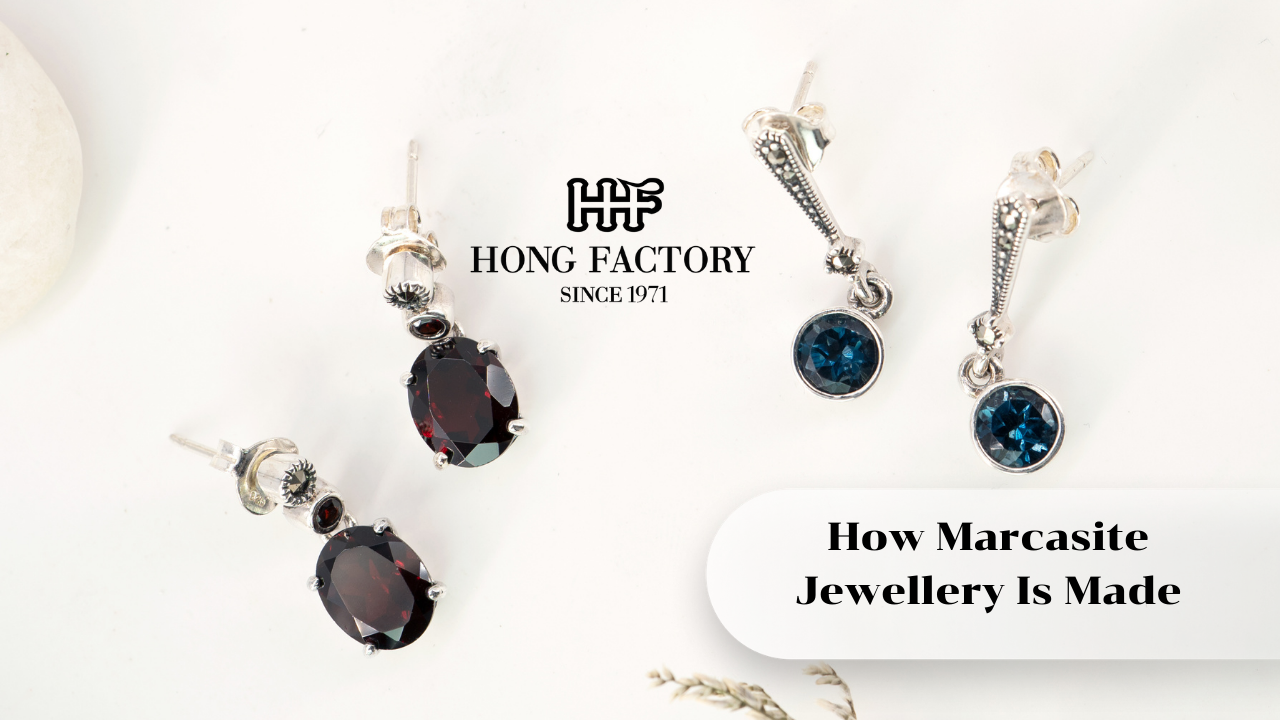
An Overview of the Marcasite Jewellery Making Process
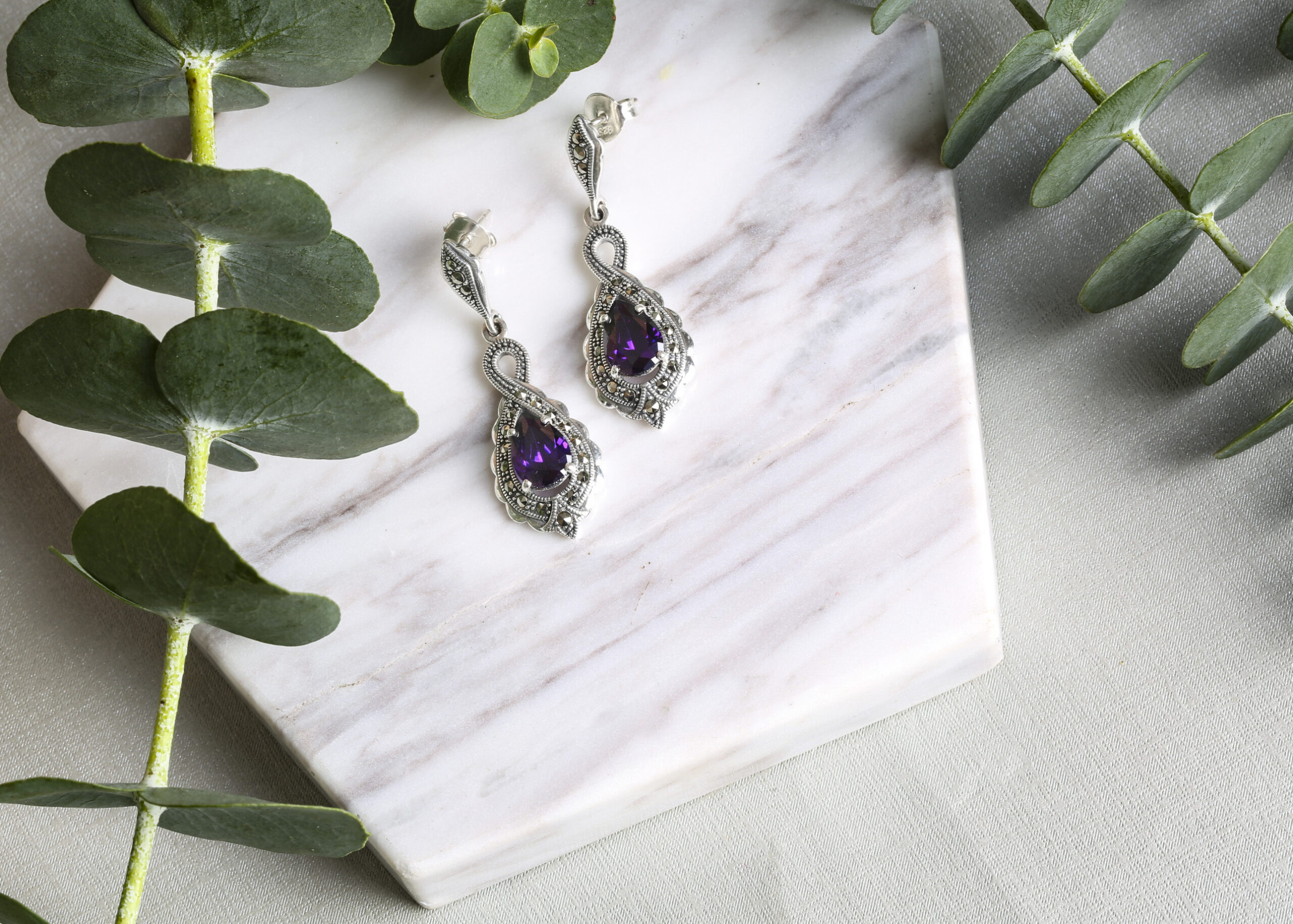
Marcasite jewellery is admired not only for its appearance but also for the craftsmanship behind it. The process of making marcasite jewellery combines traditional silversmithing techniques with careful stone setting. Unlike mass-produced accessories, quality marcasite jewellery requires precision, patience, and skilled hands. Titanium earrings for sensitive ears
From initial design to final polishing, each stage plays an important role in creating durable and visually balanced jewellery. Understanding how marcasite jewellery is made helps buyers appreciate its value and quality.
Designing Marcasite Jewellery
The creation of marcasite jewellery begins with design. Designers sketch patterns that emphasize symmetry, balance, and detail. Because marcasite stones are small, the design must carefully plan stone placement to achieve an even sparkle across the surface.
Designs often draw inspiration from vintage styles such as Victorian, Edwardian, or Art Deco motifs. These influences guide the shape, structure, and decorative elements of the piece before production begins.
Selecting Materials: Silver and Marcasite Stones
High-quality marcasite jewellery typically uses sterling silver as its base metal. Silver is chosen for its durability, workability, and ability to enhance the metallic shine of marcasite stones.
The marcasite stones themselves are selected based on size, cut, and consistency. Since marcasite can be fragile, stones must be carefully inspected to ensure they are suitable for setting. Uniformity in size and shape is essential for achieving a refined finish.
Shaping the Silver Framework
Once the design and materials are finalized, the silver framework is formed. This may involve casting or hand-shaping the silver into the desired structure. The framework must be strong enough to hold multiple small stones while remaining lightweight and comfortable to wear.
At this stage, fine details such as filigree, engraving, or decorative edges may be added. These elements contribute to the character and complexity of the final piece.
The Hand-Setting of Marcasite Stones
One of the most important steps in making marcasite jewellery is the hand-setting of stones. Each marcasite stone is placed individually into small settings prepared in the silver framework. Jewelers use specialized tools to secure the stones without damaging them.
This process requires great skill, as marcasite stones can crack if too much pressure is applied. Proper setting ensures that the stones remain secure while maintaining a smooth and even surface.
Securing and Aligning the Stones
After placement, the stones are carefully aligned to create a consistent pattern. Alignment is critical in marcasite jewellery because uneven stones can disrupt the overall appearance and reduce durability.
Experienced craftsmen check each stone to ensure it sits correctly and reflects light evenly. This attention to detail distinguishes high-quality marcasite jewellery from lower-quality alternatives.
Polishing and Finishing
Once all stones are set, the jewellery undergoes polishing and finishing. The silver is gently polished to remove imperfections and enhance its shine, while care is taken not to loosen the stones.
Some pieces may receive an oxidized finish to enhance contrast and highlight design details. This finishing step adds depth and character to the jewellery.
Quality Inspection and Final Adjustments
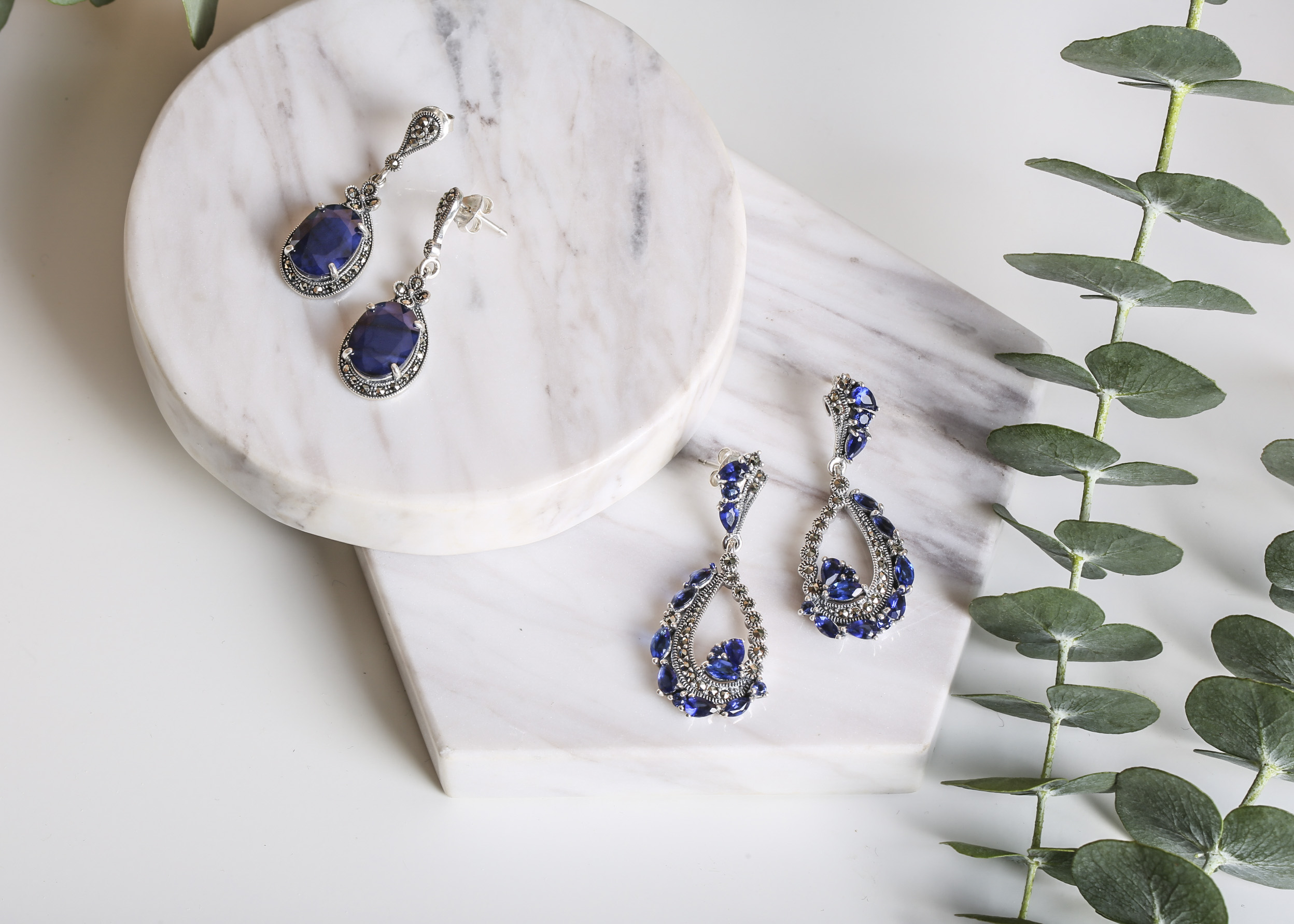
Before completion, marcasite jewellery is carefully inspected for quality. Craftsmen examine stone security, surface smoothness, and overall balance. Any loose stones or imperfections are corrected at this stage.
This final inspection ensures that the jewellery meets durability and aesthetic standards before it is offered for sale.
Traditional vs Modern Production Methods
Traditional marcasite jewellery was made entirely by hand, often taking significant time to complete. While modern tools and techniques have improved efficiency, high-quality marcasite jewellery still relies heavily on manual craftsmanship.
Mass-produced pieces may use shortcuts that compromise durability. In contrast, well-made marcasite jewellery continues to follow time-tested methods that prioritize quality.
Why Craftsmanship Matters in Marcasite Jewellery
The beauty and longevity of marcasite jewellery depend largely on craftsmanship. Proper design, careful stone selection, and skilled hand-setting ensure that the jewellery remains attractive and secure over time.
Understanding how marcasite jewellery is made allows buyers to recognize quality and make informed purchasing decisions.
The Art Behind Marcasite Jewellery
Marcasite jewellery is the result of a careful balance between art and technique. Each piece reflects the skill and dedication of the craftsman who created it.
This combination of traditional methods and refined design is what gives marcasite jewellery its distinctive charm and enduring appeal.