

As the popularity of marcasite jewelry continues to grow, so does the number of imitations and misleading products in the market. Many fake or low-quality pieces are marketed as “marcasite jewelry,” confusing buyers and diminishing trust. Understanding common fake marcasite jewelry and how to avoid them is essential for collectors, retailers, and everyday buyers who want authentic craftsmanship and long-term value. Marcasite stone
This article explains the most frequent types of fake marcasite jewelry, how they differ from authentic pieces, and practical steps to avoid costly mistakes.
Why Fake Marcasite Jewelry Exists

Imitations are driven by demand.
Market Factors Behind Fakes
- Growing interest in vintage and artisanal jewelry
- Lower production costs using shortcuts
- Limited consumer knowledge about marcasite craftsmanship
Fakes thrive where education is lacking.
What Authentic Marcasite Jewelry Should Be
Knowing the real thing is the best defense.
Authentic Characteristics
- Hand-set pyrite stones
- Sterling silver 925 construction
- No glue in stone settings
- Subtle metallic sparkle, not glassy shine
Anything that deviates significantly deserves scrutiny.
Type 1: Glued-Stone Imitation Jewelry
This is the most common fake.
How It Is Made
Instead of hand-setting, stones are glued into pre-made cavities. This shortcut reduces labor but sacrifices durability.
How to Identify It
- Visible glue residue around stones
- Stones that sit unevenly
- Stones falling out easily
Authentic marcasite jewelry never uses glue.
Type 2: Rhinestone or Crystal Substitutes
Some sellers replace pyrite with cheaper materials.
Common Substitutes
- Glass rhinestones
- Acrylic stones
- Low-grade crystals
Warning Signs
- Rainbow-like sparkle
- Transparent or colored reflections
- Lightweight feel
Marcasite sparkle is subtle and metallic, not flashy.
Type 3: Base Metal “Marcasite” Jewelry
Metal quality reveals authenticity.
Fake Metal Bases
- Brass
- Alloy mixes
- Plated base metals
How to Spot Them
- No “925” or sterling marking
- Rapid tarnishing or color change
- Skin discoloration after wear
Authentic pieces use sterling silver.
Type 4: Machine-Set Mass-Produced Pieces
Mass production sacrifices craftsmanship.
Characteristics
- Perfectly uniform stone placement
- No visible hand-setting beads
- Flat, lifeless appearance
True marcasite jewelry shows subtle human variation.
Type 5: Mislabelled Pyrite or “Natural Marcasite” Claims
Misleading descriptions confuse buyers.
Common Misrepresentation
- Claiming use of natural marcasite mineral
- Using vague terminology to imply rarity
True marcasite mineral is unstable and unsuitable for jewelry.
Type 6: Modern Reproductions Sold as Vintage
Age misrepresentation is common.
Red Flags
- No signs of wear or patina
- Overly polished surfaces
- Modern clasps on “antique” listings
Authentic vintage pieces show natural aging.
How to Avoid Fake Marcasite Jewelry
Prevention is easier than correction.
1. Buy From Reputable Sellers
Choose sellers who:
- Provide detailed descriptions
- Share clear close-up images
- Disclose materials and repairs
Transparency builds trust.
2. Inspect Stone Settings Carefully
Examine how stones are secured.
What to Look For
- Tiny silver beads holding stones
- No adhesive residue
- Stones sitting flush
Setting quality is critical.
3. Check for Sterling Silver Hallmarks
Look for metal verification.
Common Marks
- 925
- STERLING
- Maker’s marks
Absence of marks requires caution, not immediate rejection.
4. Observe Sparkle and Texture
Visual cues reveal material.
Authentic Look
- Muted metallic shine
- Consistent stone texture
Excessive brilliance suggests substitutes.
5. Ask the Right Questions
Communication matters.
Questions to Ask Sellers
- Are stones hand-set?
- Is the base metal sterling silver?
- Has the piece been repaired?
Knowledgeable sellers answer clearly.
Online Buying: Extra Safety Measures
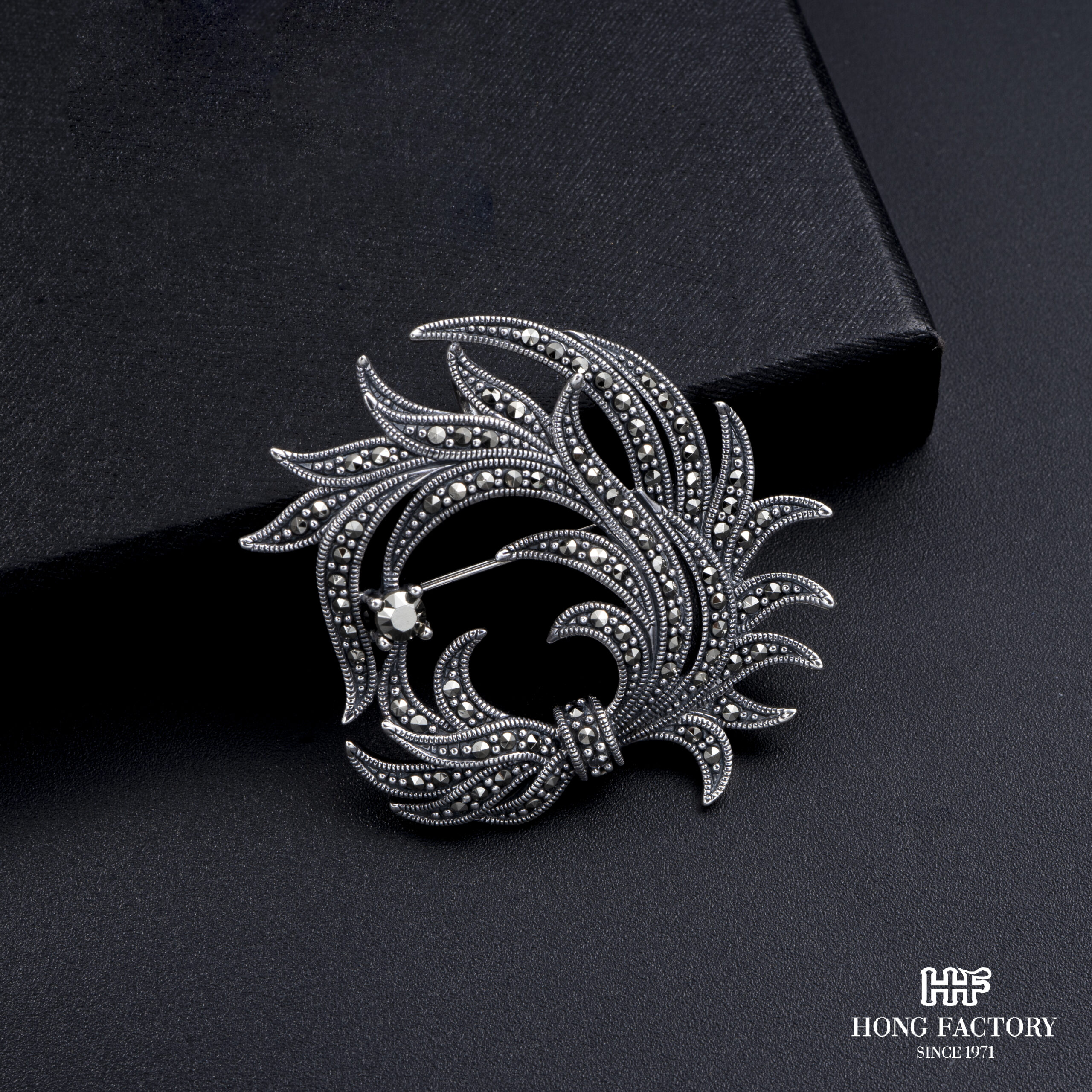
Online marketplaces require diligence.
Smart Online Practices
- Zoom in on images
- Avoid listings with stock photos only
- Read seller reviews
Caution reduces risk.
Professional Authentication When Needed
Experts add certainty.
When to Seek Appraisal
- High-value purchases
- Investment-grade pieces
- Unclear origin or materials
Professional input protects buyers.
Why Fake Marcasite Jewelry Costs More in the Long Run
Cheap fakes are false savings.
Long-Term Consequences
- Frequent repairs or stone loss
- Discoloration and damage
- No resale or collectible value
Authenticity offers better value over time.
Educating Buyers Builds a Stronger Market
Knowledge benefits everyone.
Market Benefits
- Higher trust
- Better craftsmanship standards
- Reduced counterfeit demand
Education strengthens the industry.
Conclusion
Fake marcasite jewelry often relies on glued stones, base metals, and misleading descriptions to imitate authentic craftsmanship. By understanding common fake types and knowing how genuine marcasite jewelry is made—using hand-set pyrite stones and sterling silver—buyers can confidently avoid imitations. Careful inspection, informed questioning, and choosing reputable sellers ensure that marcasite jewelry remains a meaningful investment rooted in craftsmanship, authenticity, and timeless beauty.