
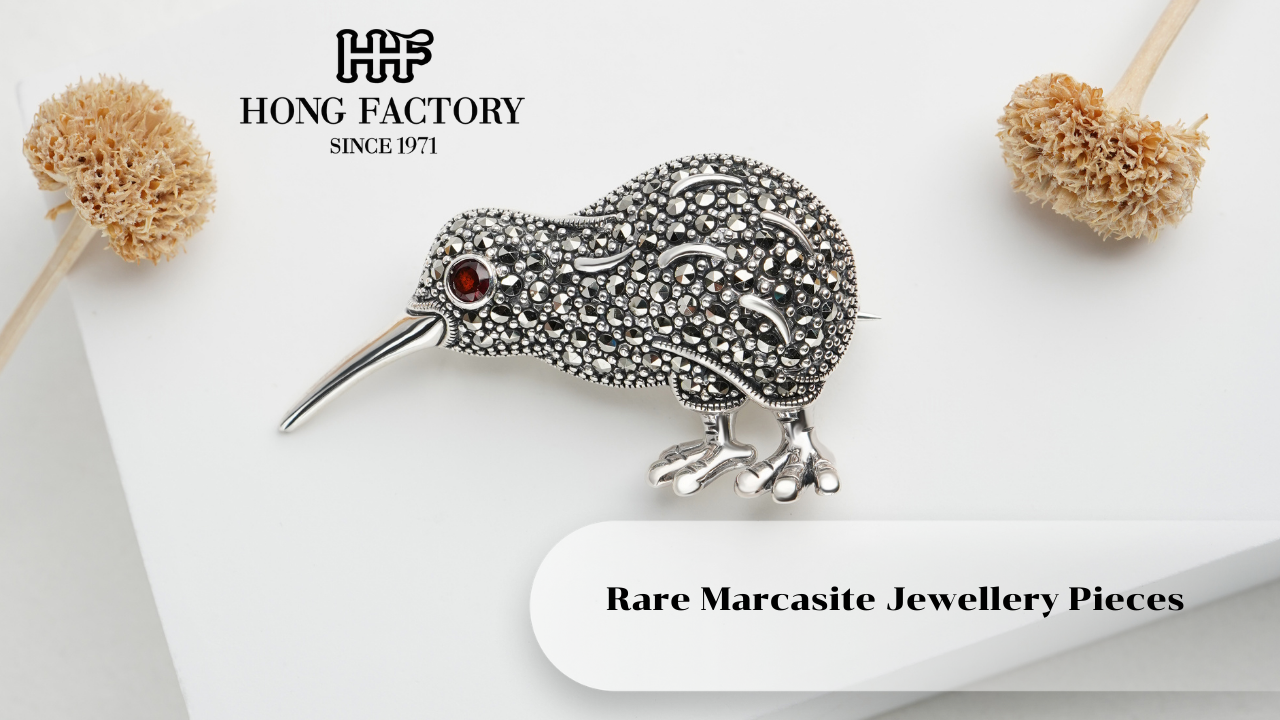
What Makes Marcasite Jewellery Rare
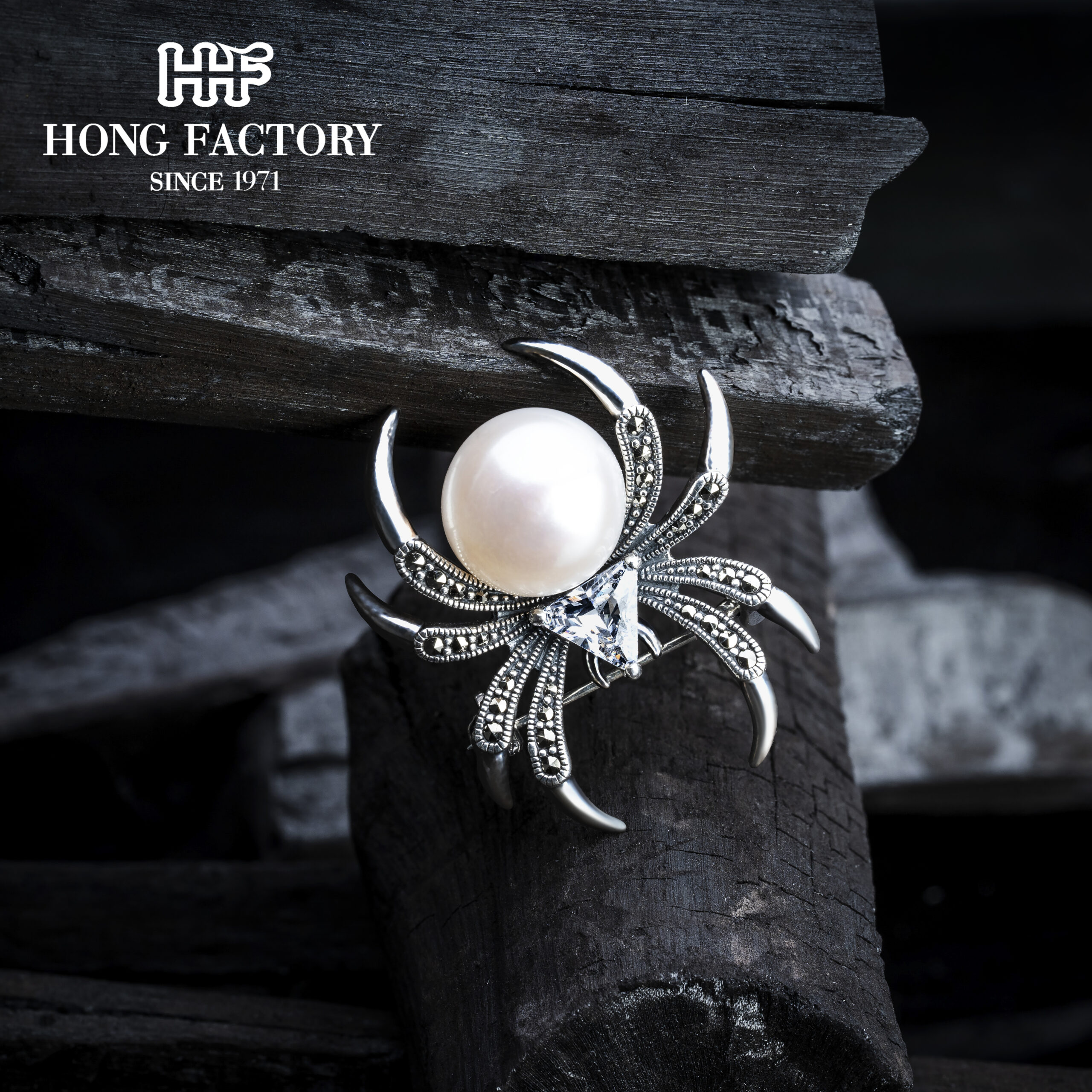
Rarity in marcasite jewellery is defined by a combination of age, craftsmanship, design uniqueness, and limited availability. Rare pieces often originate from specific historical periods, feature exceptional handwork, or display uncommon motifs that are no longer widely produced. Titanium earrings for sensitive ears
Collectors seek rare marcasite jewellery not only for its beauty but also for its historical and artistic significance.
Historical Eras Known for Rare Marcasite Pieces
Some of the rarest marcasite jewellery comes from the Victorian, Edwardian, and early Art Deco eras. Pieces from these periods often reflect traditional hand-setting techniques and design philosophies that are difficult to replicate today.
Jewellery from these eras may feature heavier silver construction, intricate detailing, and motifs that clearly identify their historical origin.
Limited Production and Artisan Craftsmanship
Limited production contributes significantly to rarity. Many marcasite pieces were made in small quantities by skilled artisans rather than mass-produced factories.
Handcrafted details, slight variations in stone placement, and unique silverwork often indicate artisan-made jewellery, which increases rarity and collector interest.
Uncommon Design Motifs and Forms
Rare marcasite jewellery often features uncommon motifs such as symbolic imagery, unusual geometric arrangements, or experimental forms.
Brooches, rings, or pendants with distinctive shapes or rare thematic elements tend to stand out in collections and are more difficult to find in the market.
Maker’s Marks and Provenance
Pieces with identifiable maker’s marks or documented provenance are often considered more rare. These marks help trace the origin of the jewellery and confirm authenticity.
Provenance adds historical context and credibility, increasing desirability among serious collectors.
Condition and Survival Over Time
Rarity is also influenced by condition. Marcasite jewellery is delicate, and many older pieces have not survived intact.
Well-preserved pieces with original stones and minimal repairs are especially rare and highly valued.
Regional Variations in Rare Marcasite Jewellery
Certain regions are known for producing distinctive marcasite jewellery. European pieces, particularly from Germany and Switzerland, are often associated with precision craftsmanship and refined design.
Regional characteristics can add another layer of rarity and interest to marcasite pieces.
Identifying Truly Rare Pieces
Identifying rare marcasite jewellery requires careful examination of design, construction, and materials. Hand-set stones, aged silver patina, and period-specific motifs are key indicators.
Professional evaluation can help confirm rarity and distinguish authentic rare pieces from reproductions.
Market Demand for Rare Marcasite Jewellery
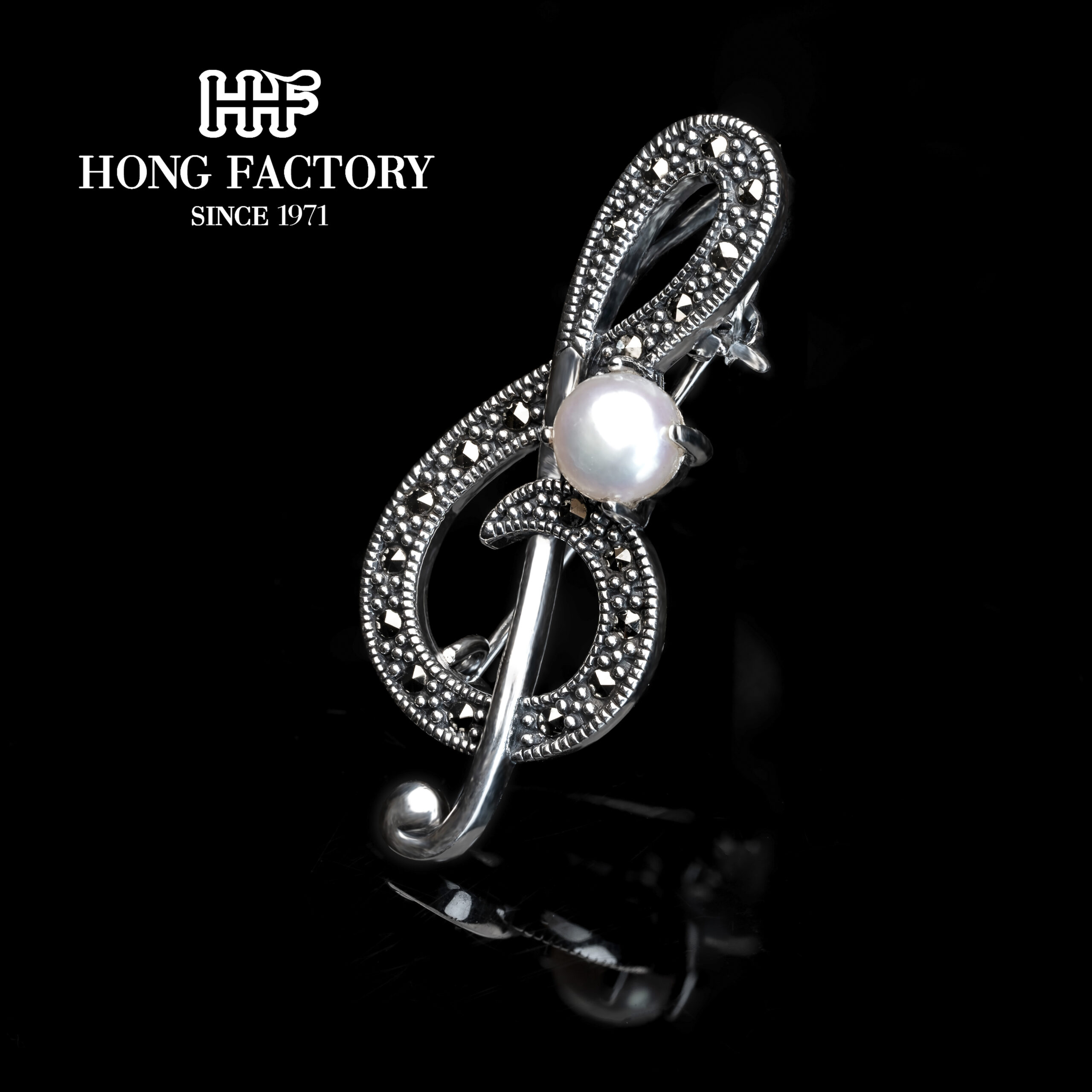
Demand for rare marcasite jewellery remains strong among collectors who value vintage and antique accessories. Limited supply and consistent interest support long-term desirability.
Rare pieces often appear in auctions, estate sales, or specialized dealer inventories.
Collecting Strategies for Rare Marcasite Jewellery
Collectors interested in rare pieces should focus on education and patience. Researching historical styles and building relationships with reputable dealers increases the chances of finding exceptional items.
Quality should always be prioritized over quantity when building a rare jewellery collection.
Preserving Rare Marcasite Jewellery
Proper care is essential for preserving rare marcasite jewellery. Gentle handling, controlled storage environments, and professional maintenance help protect condition and value.
Collectors should avoid frequent wear of rare pieces to minimize risk.
Why Rare Marcasite Jewellery Remains Sought After
Rare marcasite jewellery remains desirable because it represents a unique intersection of history, craftsmanship, and artistry. Each piece offers individuality that cannot be replicated.
For collectors and enthusiasts, rare marcasite jewellery provides both aesthetic pleasure and historical connection.