
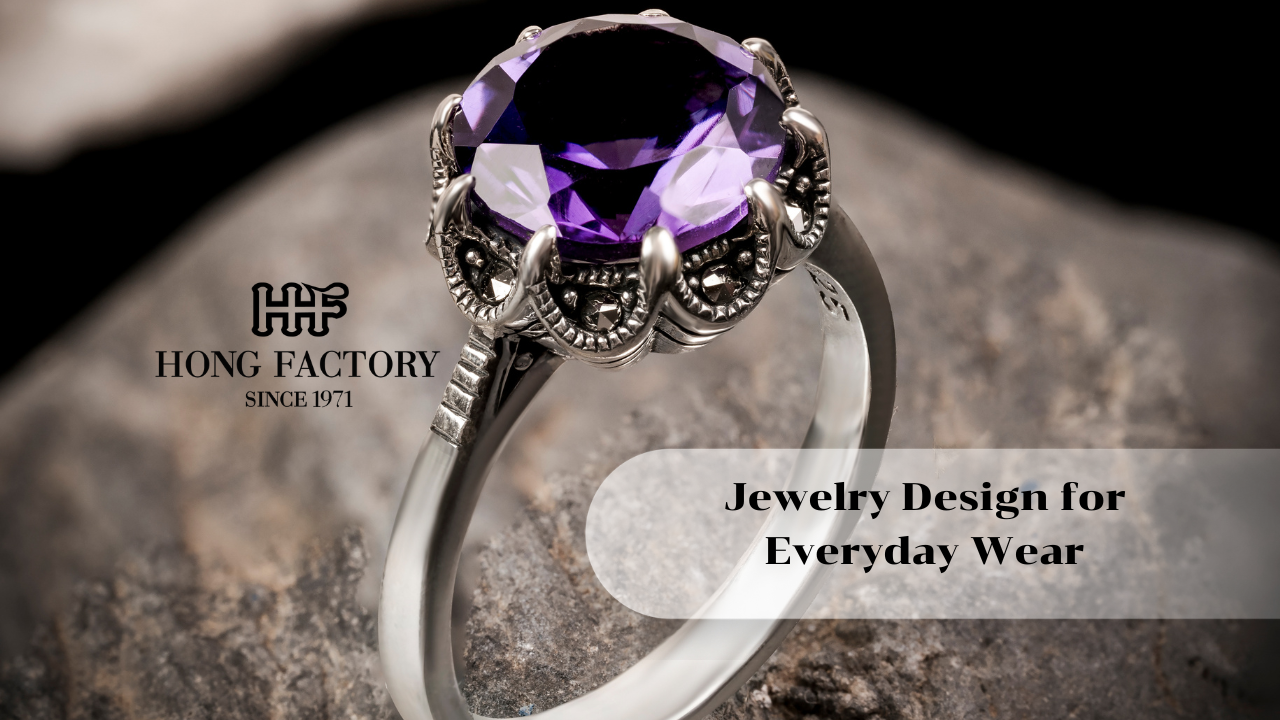
Everyday jewelry design focuses on creating pieces that people can wear comfortably, confidently, and repeatedly as part of their daily lives. Unlike statement or occasion-based jewelry, everyday jewelry must balance beauty with practicality. For silver and marcasite jewelry brands, designing for everyday wear is a strategic opportunity to increase product usage, customer loyalty, and long-term brand value.
This article explores jewelry design for everyday wear, covering design principles, material choices, comfort considerations, and how brands can create collections that seamlessly fit modern lifestyles. Titanium earrings for sensitive ears
Why Everyday Wear Jewelry Matters
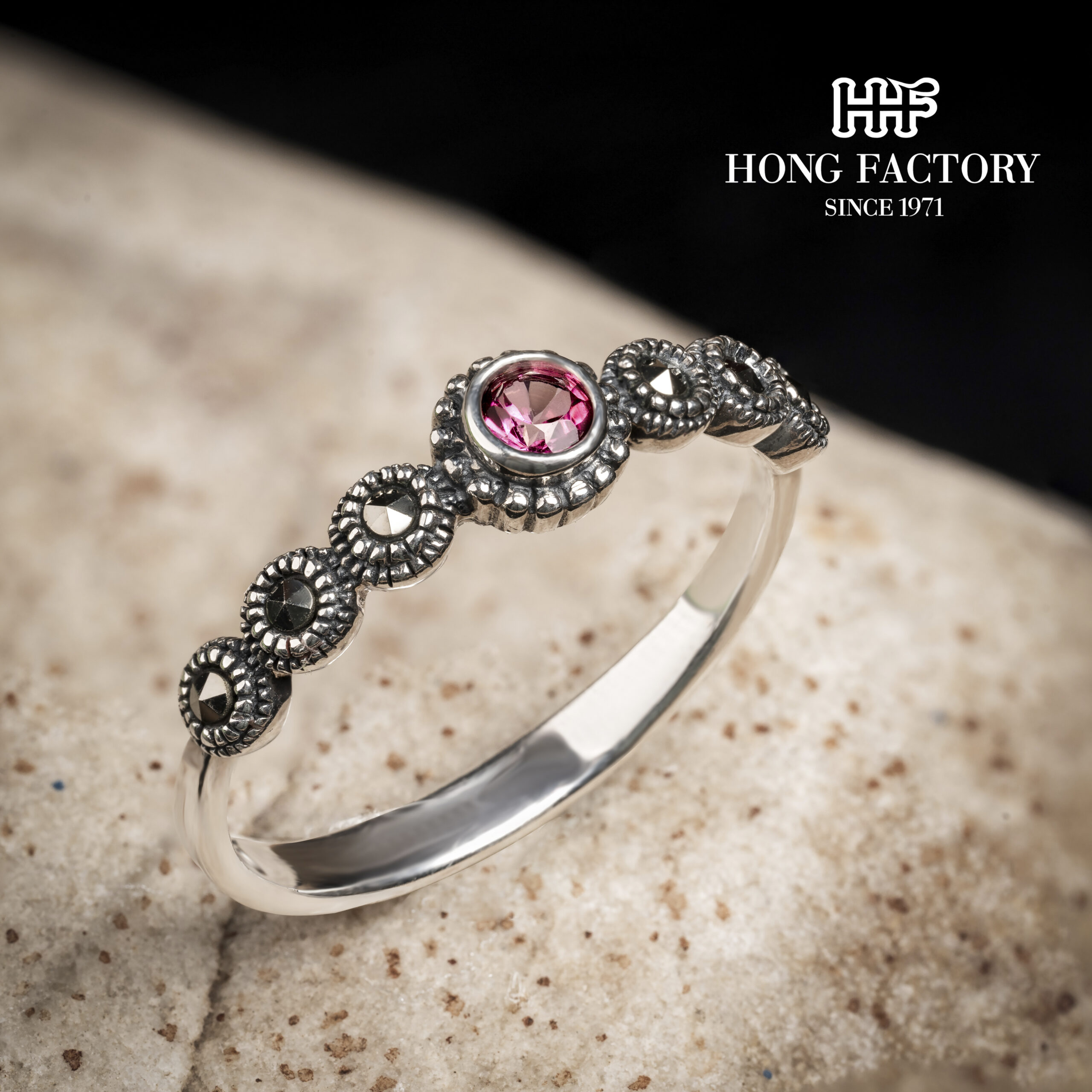
Daily use drives long-term value.
Jewelry designed for everyday wear:
- Becomes part of a customer’s routine
- Builds emotional attachment
- Encourages repeat purchases
- Reduces dependence on seasonal trends
For brands, everyday jewelry often forms the core of consistent revenue.
Key Characteristics of Everyday Jewelry
Everyday jewelry prioritizes function and subtle elegance.
Simplicity and Versatility
Designs should:
- Pair easily with multiple outfits
- Transition from work to casual settings
- Avoid overly dramatic or bulky elements
Simple designs ensure broader appeal.
Timeless Aesthetic
Everyday jewelry should not feel trend-driven. Clean lines, classic shapes, and neutral tones help pieces remain relevant over time.
Choosing the Right Materials for Daily Wear
Material durability is essential.
Sterling Silver for Everyday Jewelry
Sterling silver is ideal because it:
- Is durable enough for frequent use
- Offers a refined yet understated appearance
- Can be maintained and polished easily
Silver balances affordability with elegance.
Using Marcasite in Everyday Designs
Marcasite works well when used thoughtfully.
In everyday jewelry, marcasite should:
- Be securely set
- Used in moderate quantities
- Enhance texture without overpowering the design
Its subtle sparkle adds interest while remaining understated.
Comfort as a Core Design Principle
Comfort determines whether jewelry is worn regularly.
Ergonomic Design Considerations
Designers should focus on:
- Smooth edges and finishes
- Lightweight construction
- Proper sizing and balance
Uncomfortable jewelry quickly becomes unused.
Secure Closures and Settings
Everyday jewelry must withstand movement.
Important features include:
- Strong clasps and hinges
- Secure stone settings
- Reinforced connection points
Security builds wearer confidence.
Jewelry Types Best Suited for Everyday Wear
Some categories naturally perform better.
Rings
Everyday rings often feature:
- Slim bands
- Low-profile stone settings
- Minimal protrusions
These designs avoid snagging and discomfort.
Earrings
Popular everyday earring styles include:
- Studs
- Small hoops or huggies
- Lightweight drop earrings
They provide style without heaviness.
Necklaces
Everyday necklaces work best when:
- Chains are medium length
- Pendants sit flat against the body
- Designs are simple and balanced
Layer-friendly necklaces are especially popular.
Bracelets
Everyday bracelets should:
- Fit securely without sliding excessively
- Avoid sharp edges
- Use flexible or articulated designs
Comfort and movement are key.
Designing Jewelry for Work and Professional Settings
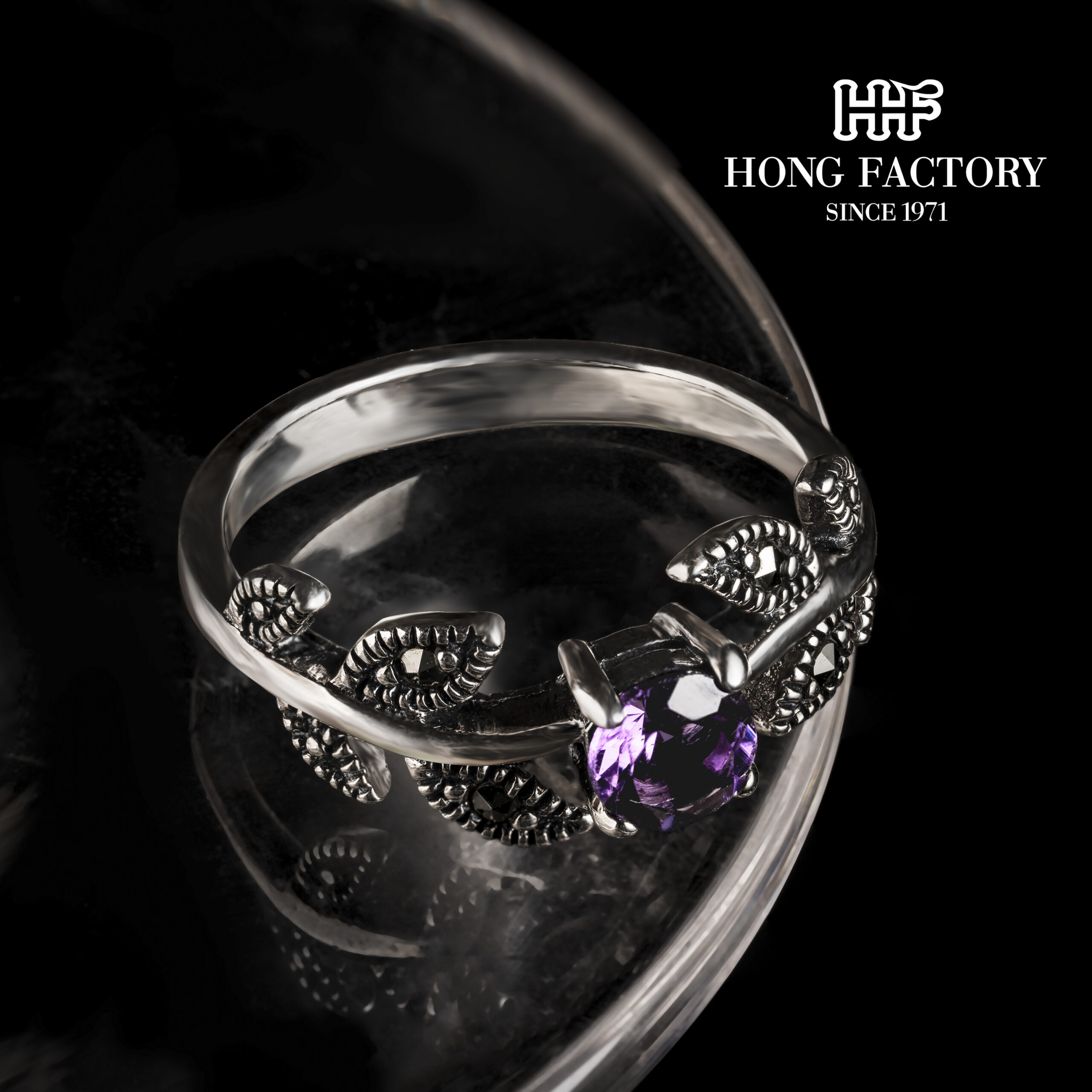
Professional environments require subtlety.
Everyday work-appropriate jewelry:
- Avoids excessive shine or size
- Uses neutral colors and finishes
- Enhances appearance without distraction
Silver and marcasite designs align well with professional wear.
Everyday Jewelry and Lifestyle Compatibility
Design should reflect real life.
Active Lifestyles
For active wearers, designers should:
- Minimize dangling elements
- Reinforce settings and clasps
- Avoid fragile design features
Travel-Friendly Jewelry
Everyday jewelry often doubles as travel jewelry. Lightweight, versatile pieces reduce the need for multiple accessories.
Everyday Jewelry for Different Age Groups
Broad appeal increases market reach.
Younger Consumers
Prefer:
- Minimalist designs
- Stackable and layerable pieces
- Subtle personalization
Mature Consumers
Often value:
- Comfort and balance
- Classic design
- Easy fastening mechanisms
Designing with inclusivity expands the audience.
Pricing Strategy for Everyday Jewelry
Value must feel accessible.
Everyday jewelry pricing should:
- Reflect durability and craftsmanship
- Remain approachable for repeat purchases
- Align with long-term use expectations
Customers are more likely to invest in pieces they wear daily.
Everyday Jewelry in Wholesale and Retail
Retailers rely on everyday styles.
Wholesale buyers favor everyday jewelry because it:
- Sells consistently year-round
- Appeals to a wide customer base
- Requires minimal trend explanation
These designs often become bestsellers.
Marketing Everyday Jewelry Effectively
Messaging should emphasize lifestyle.
Effective Marketing Angles
- Daily wear and comfort
- Versatility and styling ease
- Durability and quality
Lifestyle imagery reinforces relevance.
Avoiding Common Everyday Jewelry Design Mistakes
Mistakes reduce usability.
Mistakes to Avoid
- Overly delicate construction
- Trend-heavy design choices
- Ignoring comfort and fit
Practical testing is essential.
The Long-Term Value of Everyday Jewelry Collections
Everyday jewelry builds brand loyalty.
Customers who wear jewelry daily:
- Develop emotional connection to the brand
- Return for complementary pieces
- Recommend brands more often
Everyday wear collections support sustainable growth.
Conclusion
Jewelry design for everyday wear requires thoughtful balance between elegance and practicality. By prioritizing comfort, durability, versatility, and timeless aesthetics, silver and marcasite jewelry brands can create pieces that customers choose again and again. In a market where repeat wear defines value, everyday jewelry is not just an accessory—it is a foundation for long-term brand success.